Stack
Glow peptide side effects: what FDA has said, what is known for GHK-Cu, BPC-157 and TB-500, and why no controlled human safety data exists yet.
Most reported side effects are mild and temporary. Common reactions include flushing, nausea, headache and injection-site redness. If symptoms persist or worsen, stop use and consult a healthcare provider.
In September 2023 FDA moved BPC-157 and TB-500 into Category 2 of its interim bulk-substances lists because of safety concerns it had not resolved, and that is still the most concrete official statement on risk for two of the three parts of the GLOW Stack. Glow peptide side effects in people have never been measured in a controlled trial. What exists is animal research, small uncontrolled human studies on BPC-157, cosmetic studies on topical GHK-Cu, and a lot of unverified forum posts.
I compare research-peptide vendors and read their COAs, and I would rather tell you plainly where the data stops than fill the gap with guesses. None of these compounds is FDA-approved, they are sold for research use only, and this page is not medical advice. If you have a health concern, talk to your doctor.
No controlled human trial has tested GHK-Cu, BPC-157 and TB-500 together, so the glow peptide side effects of the combination are unknown. That is not the same as "safe"; it means nobody has looked in a way that would catch problems.
Even for the single compounds, human data is thin. BPC-157's human work is limited to small uncontrolled studies, which are not designed to detect uncommon reactions. TB-500's human data is limited. GHK-Cu's human studies are small cosmetic studies on creams and serums, a different product from the 50 mg research vial in the stack. We explain that difference on topical vs injectable GHK-Cu.
FDA's clearest safety signal on this stack is the 2023 Category 2 placement for BPC-157 and TB-500, which barred compounding pharmacies from using them during its review. That status reflected open safety questions, not a finding of harm or of safety.
On 23 July 2026, the Pharmacy Compounding Advisory Committee voted 8-6, with one abstention, to recommend adding both peptides to the 503A bulks list. A split vote like that is a sign the safety and evidence questions are still debated. It is also non-binding; FDA has to decide and then go through rulemaking. GHK-Cu was not voted on and is scheduled for review before February 2027. The FDA status page follows each step.
When people ask about glow peptide side effects, the honest answer differs by component. Each part of the stack carries a different set of open questions. This table sums up where the evidence sits for side effects specifically.
| Component | Safety evidence that exists | Main unknown |
|---|---|---|
| GHK-Cu | Wide use in topical cosmetic products, regulated as cosmetics | Any safety data for the non-topical research vial; injectable GHK-Cu is not approved |
| BPC-157 | Rodent studies; small uncontrolled human studies | Effects in controlled human trials; long-term exposure |
| TB-500 | Tissue-repair animal models | Human safety in controlled studies |
| Stack together | None | Everything about the combination |
A large share of the practical risk with research peptides is product quality rather than pharmacology. A vial can be underfilled, mislabeled, contain a different compound or carry impurities, and none of that is visible by looking at white powder.
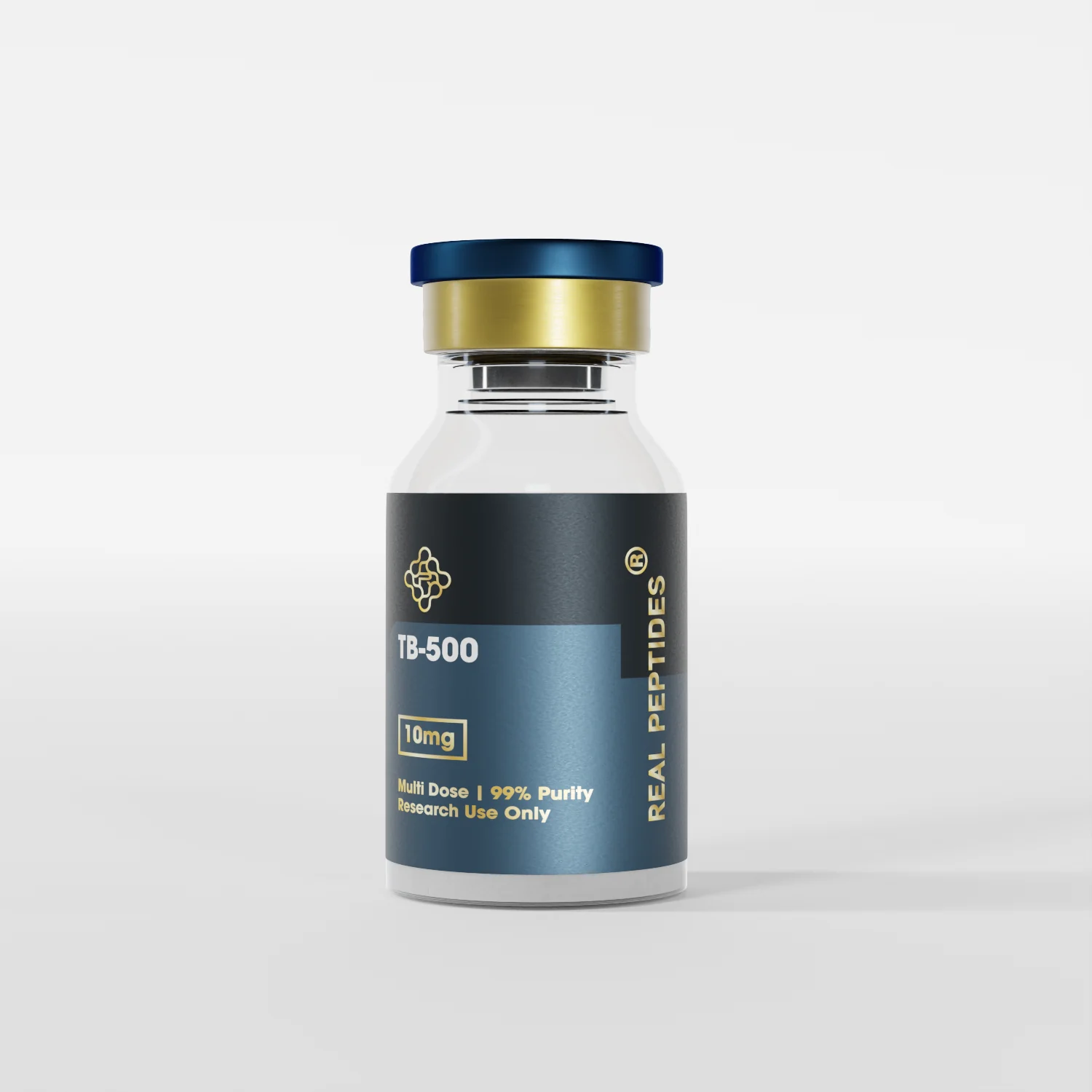
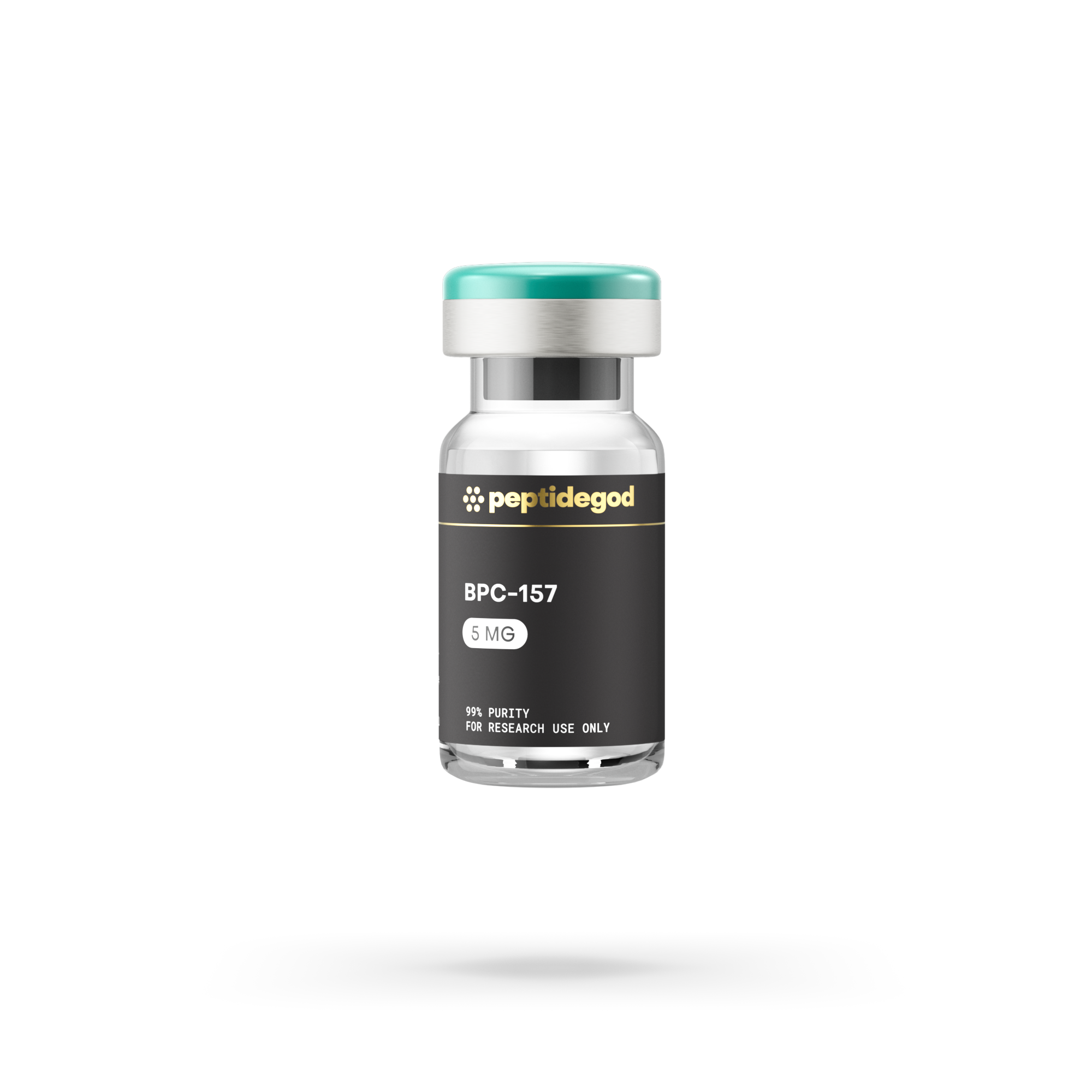
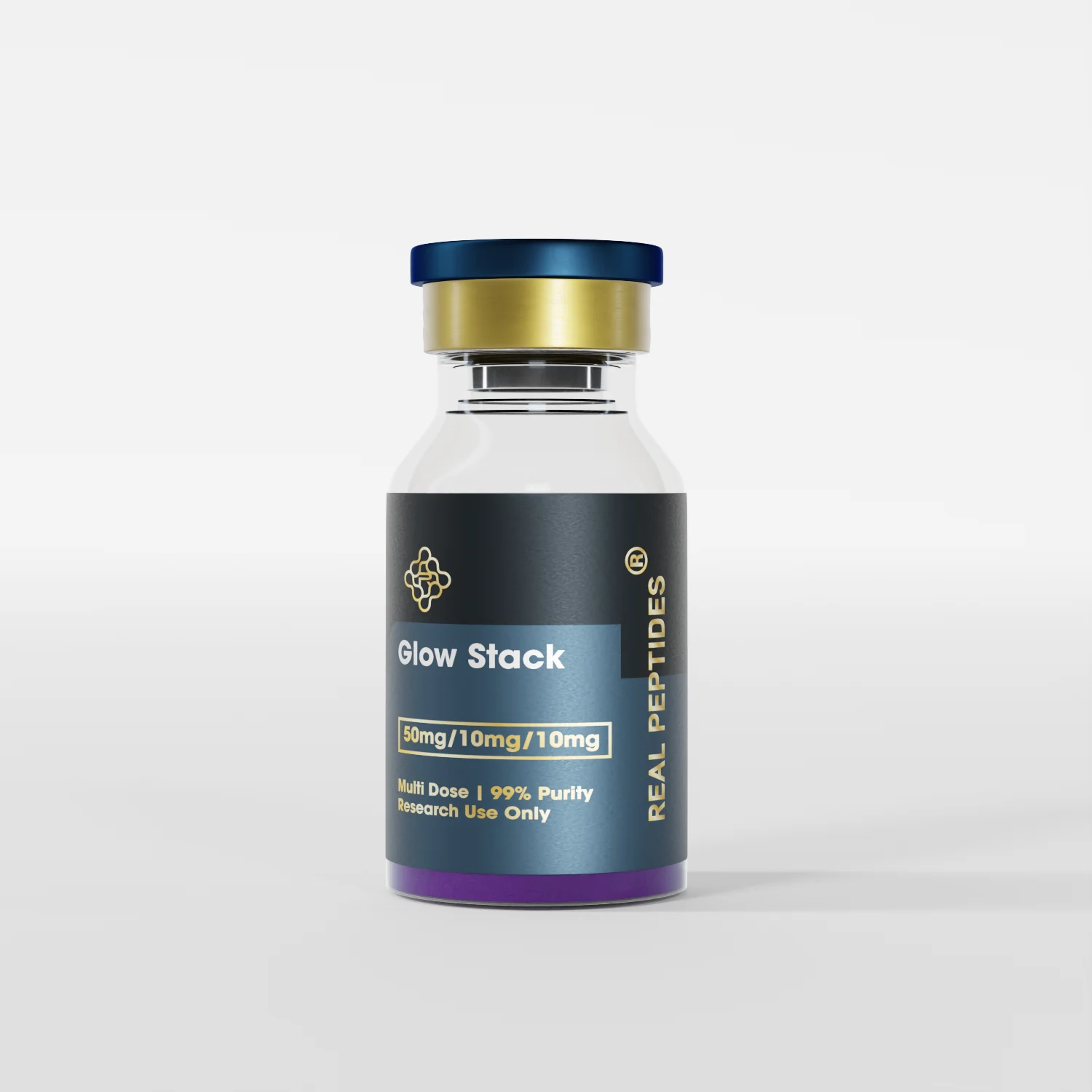
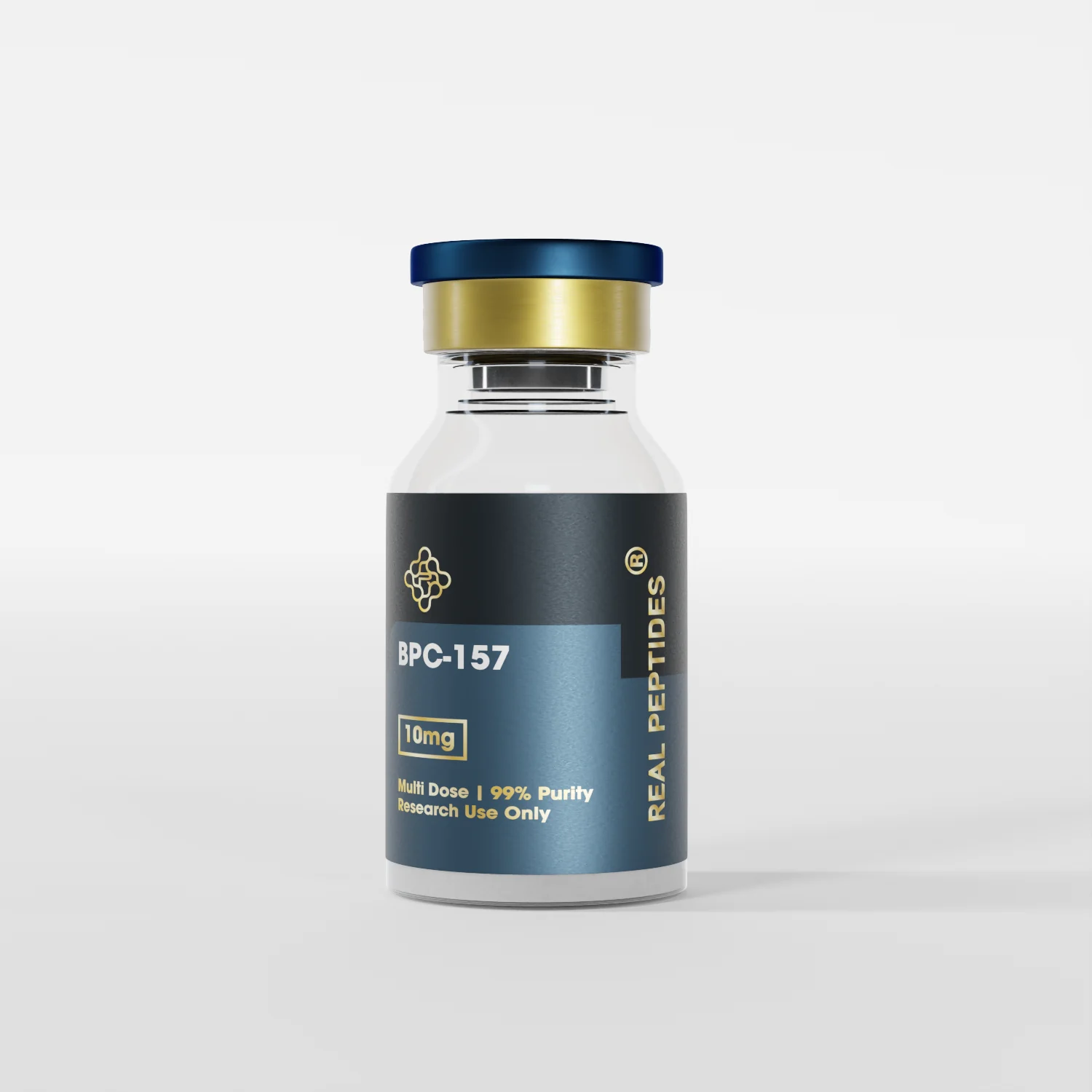
That is why we start with paperwork. Both vendors in our comparison publish testing: Real Peptides posts a third-party COA per batch for each GLOW Stack vial, and Peptide God lists its BPC-157 and TB-500 as lab-tested at 99% purity or higher. A COA only helps if it matches the lot you received, so check that the batch number on the document matches your vial label. Our vendor comparison lists what each seller provides.
Another product-side risk is the seller itself. FDA's 24 August 2026 warning letters went to five online peptide vendors that, among other things, published dosing guidance and sold bacteriostatic water next to injectables. A store that coaches buyers on human use is a store FDA is watching.
Competitive athletes subject to testing should not touch the GLOW Stack. BPC-157 and TB-500, including thymosin beta-4 and its fragments, are on the WADA Prohibited List, so a positive test is a real outcome regardless of intent.
Anyone with a medical condition, anyone taking prescription medication, and anyone pregnant or breastfeeding should treat an unapproved compound with no controlled human safety data as off the table, and should speak with a doctor about approved options instead.
Forum posts and video reviews are the main source of glow peptide side effects claims online, and they cannot be verified. Nobody knows what was actually in the poster's vial, whether it was tested, what else they were taking, or whether the effect was coincidence.
We treat those reports as prompts for questions, not evidence. The same goes for glowing reviews; we cover how to judge them on glow peptide reviews. If you see a side-effect claim tied to a specific amount or schedule, that is also a red flag about the source, because no approved human dose exists for any of these peptides.
In September 2023 FDA moved BPC-157 and TB-500 into Category 2 of its interim bulk-substances lists because of safety concerns it had not resolved, and that is still the most concrete official statement on risk for two of the three parts of the GLOW Stack. Glow peptide side effects in people have never been measured in a controlled trial. What exists is animal research, small uncontrolled human studies on BPC-157, cosmetic studies on topical GHK-Cu, and a lot of unverified forum posts.
I compare research-peptide vendors and read their COAs, and I would rather tell you plainly where the data stops than fill the gap with guesses. None of these compounds is FDA-approved, they are sold for research use only, and this page is not medical advice. If you have a health concern, talk to your doctor.
No controlled human trial has tested GHK-Cu, BPC-157 and TB-500 together, so the glow peptide side effects of the combination are unknown. That is not the same as "safe"; it means nobody has looked in a way that would catch problems.
Even for the single compounds, human data is thin. BPC-157's human work is limited to small uncontrolled studies, which are not designed to detect uncommon reactions. TB-500's human data is limited. GHK-Cu's human studies are small cosmetic studies on creams and serums, a different product from the 50 mg research vial in the stack. We explain that difference on topical vs injectable GHK-Cu.
FDA's clearest safety signal on this stack is the 2023 Category 2 placement for BPC-157 and TB-500, which barred compounding pharmacies from using them during its review. That status reflected open safety questions, not a finding of harm or of safety.
On 23 July 2026, the Pharmacy Compounding Advisory Committee voted 8-6, with one abstention, to recommend adding both peptides to the 503A bulks list. A split vote like that is a sign the safety and evidence questions are still debated. It is also non-binding; FDA has to decide and then go through rulemaking. GHK-Cu was not voted on and is scheduled for review before February 2027. The FDA status page follows each step.
When people ask about glow peptide side effects, the honest answer differs by component. Each part of the stack carries a different set of open questions. This table sums up where the evidence sits for side effects specifically.
| Component | Safety evidence that exists | Main unknown |
|---|---|---|
| GHK-Cu | Wide use in topical cosmetic products, regulated as cosmetics | Any safety data for the non-topical research vial; injectable GHK-Cu is not approved |
| BPC-157 | Rodent studies; small uncontrolled human studies | Effects in controlled human trials; long-term exposure |
| TB-500 | Tissue-repair animal models | Human safety in controlled studies |
| Stack together | None | Everything about the combination |
A large share of the practical risk with research peptides is product quality rather than pharmacology. A vial can be underfilled, mislabeled, contain a different compound or carry impurities, and none of that is visible by looking at white powder.
That is why we start with paperwork. Both vendors in our comparison publish testing: Real Peptides posts a third-party COA per batch for each GLOW Stack vial, and Peptide God lists its BPC-157 and TB-500 as lab-tested at 99% purity or higher. A COA only helps if it matches the lot you received, so check that the batch number on the document matches your vial label. Our vendor comparison lists what each seller provides.
Another product-side risk is the seller itself. FDA's 24 August 2026 warning letters went to five online peptide vendors that, among other things, published dosing guidance and sold bacteriostatic water next to injectables. A store that coaches buyers on human use is a store FDA is watching.