GLOW Stack
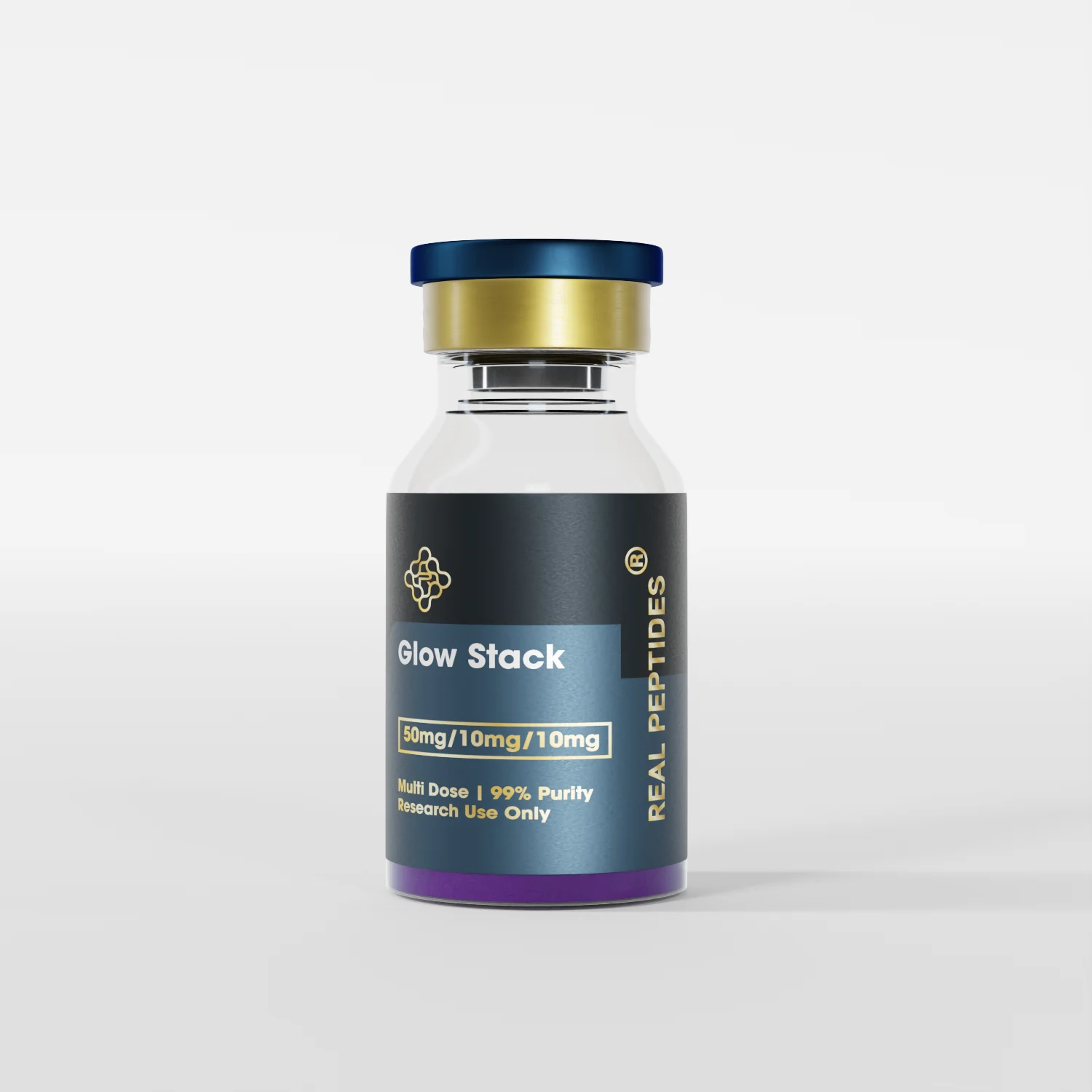
GLOW Stack peptide for research: GHK-Cu 50mg, TB-4 10mg, BPC-157 10mg. Independent lab tested with the lot ...
GHK Cu vs BPC 157 compared: origin, research areas, human data, FDA and WADA status, and current prices for the two peptides in the GLOW Stack.

GLOW Stack peptide for research: GHK-Cu 50mg, TB-4 10mg, BPC-157 10mg. Independent lab tested with the lot ...
Wolverine Stack peptide for sale: BPC-157 + TB-500 in one vial, independently lab tested, lot COA published...
A 1:1 research blend of BPC-157 and TB-500 (thymosin beta-4 fragment) — the two most-studied recovery pepti...
| Product | Form | Size | Testing | Class | Price |
|---|---|---|---|---|---|
| Real Peptides GLOW Stack | Lyophilized powder | GHK-Cu 50mg + TB-500 10mg + BPC-157 10mg | Third-party COA | — | $86.40 |
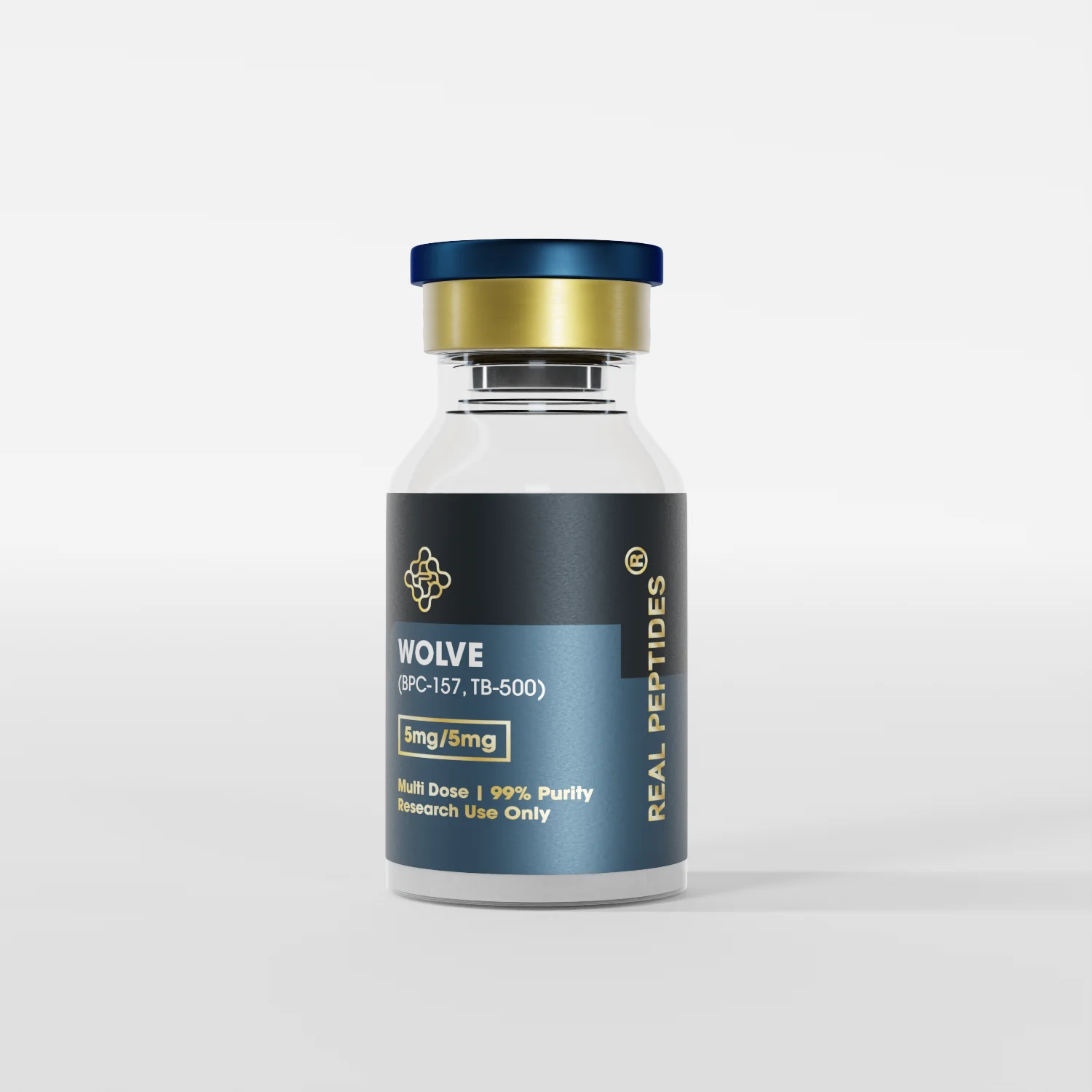
| Real Peptides Wolverine Peptide Stack | Lyophilized powder | 10mg BPC-157 + 10mg TB-500 | Third-party COA | — | $40.80 |
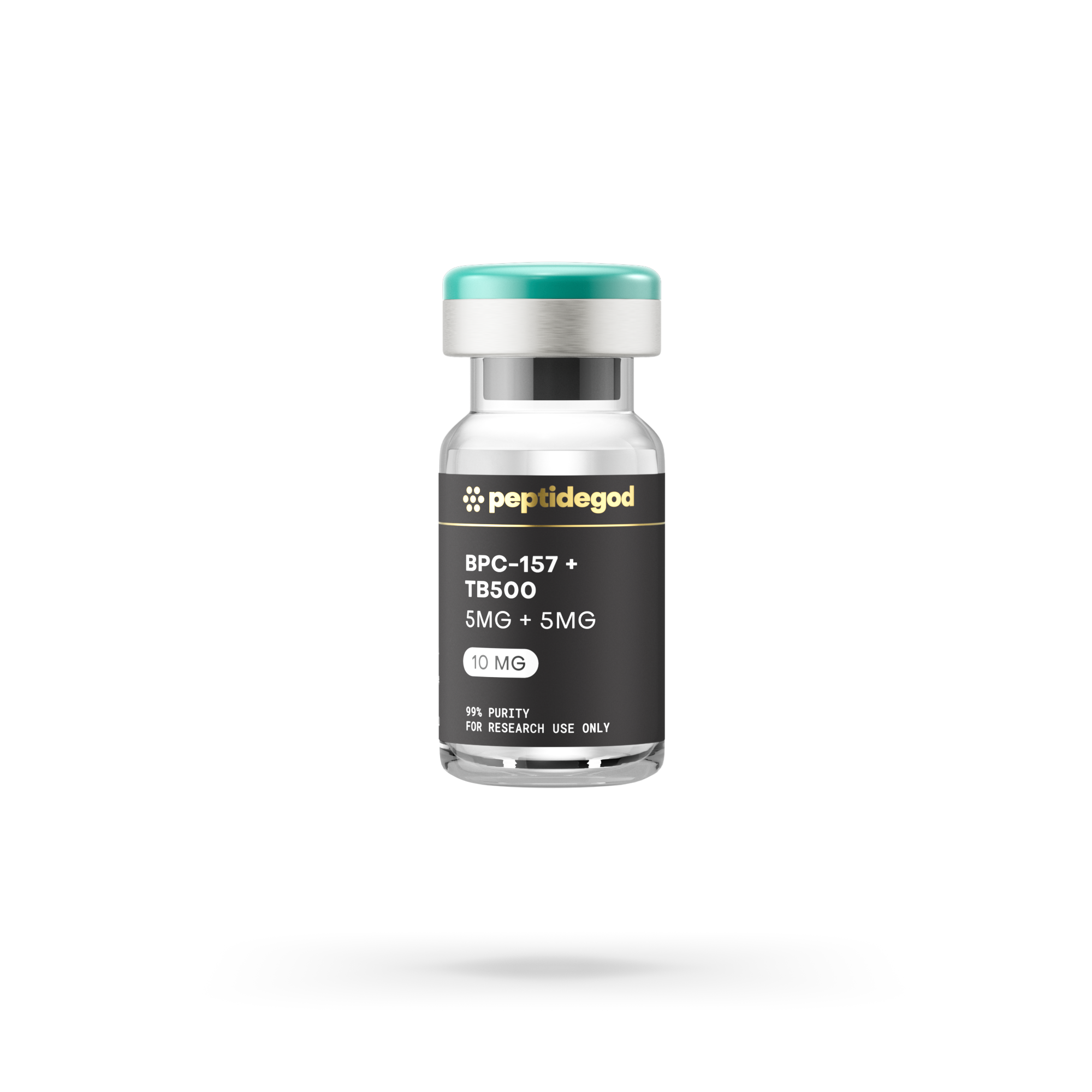
| Peptide God BPC-157 + TB-500 Blend | Lyophilized powder | — | — | Healing blend | $59.95 |
GHK-Cu is three amino acids long and BPC-157 is fifteen, and that is only the first of many differences between the two peptides that share space in the GLOW Stack. In the $86.40 Real Peptides bundle, GHK-Cu comes as a 50 mg vial and BPC-157 as a 10 mg vial. One comes from human plasma research and cosmetics, the other from gastric-juice protein and rodent tendon studies. Comparing GHK-Cu vs BPC-157 is less a contest than a reminder that the glow stack combines unrelated compounds.
We look at both from the supply side: what they are, what the research covers, where they stand with FDA and what they cost. Neither is an FDA-approved drug, both are sold for research use only, and none of this is advice for personal use.
GHK-Cu is a naturally occurring copper-binding tripeptide found in human plasma; BPC-157 is a synthetic 15-amino-acid peptide derived from a protein found in gastric juice. One is a natural molecule sold in synthetic form, the other is a lab-made sequence based on a natural protein.
The copper ion is part of what defines GHK-Cu. BPC-157 has no metal component. That also means the two are made and tested separately, which is why a GLOW Stack order should come with a separate COA for each.
The table below puts the GHK-Cu vs BPC-157 facts that matter to a buyer in one place.
| GHK-Cu | BPC-157 | |
|---|---|---|
| Length | 3 amino acids, copper-bound | 15 amino acids |
| Origin | Found in human plasma | Derived from a gastric-juice protein |
| Main research areas | Skin, wound and collagen models | Tendon, muscle and gut models in rodents |
| Human data | Small cosmetic studies on topical use | Small uncontrolled studies |
| Cosmetic form | Yes, regulated as a cosmetic | No |
| FDA 2023 Category 2 | Not in the facts we track | Yes, September 2023 |
| July 2026 PCAC vote | Not voted on; review before Feb 2027 | Recommended, 8-6 with 1 abstention |
| WADA Prohibited List | Not listed in our sources | Prohibited |
GHK-Cu research sits in skin, wound and collagen models, while BPC-157 research sits in rodent tendon, muscle and gut models. The two literatures rarely address the same tissue or question.
That matters when a vendor describes the stack as "synergistic." Synergy would require studies that combined the peptides and measured something they do together. We have not seen any such controlled work published. What exists is two separate sets of mostly animal and lab findings that have been put in the same box.
Human evidence is weak for both, in different ways. BPC-157 has small uncontrolled human studies that cannot separate the peptide's effect from natural recovery. GHK-Cu has small cosmetic studies, but on creams, not on the research vial. Our pages on BPC-157 in the GLOW Stack and the GHK-Cu peptide go into each.
In the GHK-Cu vs BPC-157 regulatory race, BPC-157 is further along FDA's process than GHK-Cu, though neither is approved. BPC-157 was placed in Category 2 of FDA's interim bulk-substances lists in September 2023, then recommended for the 503A bulks list by the Pharmacy Compounding Advisory Committee on 23 July 2026 by an 8-6 vote with one abstention. That vote is non-binding, and BPC-157 has not been added to the list.
GHK-Cu was not voted on in July and is scheduled for committee review before February 2027. Topical GHK-Cu cosmetics are a separate, legal category. For athletes, BPC-157 is on the WADA Prohibited List, which on its own rules out the GLOW Stack for anyone subject to testing. The full picture is on the FDA status page.
On price, GHK-Cu vs BPC-157 is a lopsided comparison. BPC-157 is easy to buy on its own; GHK-Cu, among the vendors we compare, only comes inside the GLOW Stack. That changes the price comparison a lot.
If your research only needs BPC-157, the single vials are the cheaper route. If it needs both compounds, the GLOW Stack is the only option in our comparison that includes GHK-Cu at all.
GHK-Cu is three amino acids long and BPC-157 is fifteen, and that is only the first of many differences between the two peptides that share space in the GLOW Stack. In the $86.40 Real Peptides bundle, GHK-Cu comes as a 50 mg vial and BPC-157 as a 10 mg vial. One comes from human plasma research and cosmetics, the other from gastric-juice protein and rodent tendon studies. Comparing GHK-Cu vs BPC-157 is less a contest than a reminder that the glow stack combines unrelated compounds.
We look at both from the supply side: what they are, what the research covers, where they stand with FDA and what they cost. Neither is an FDA-approved drug, both are sold for research use only, and none of this is advice for personal use.
GHK-Cu is a naturally occurring copper-binding tripeptide found in human plasma; BPC-157 is a synthetic 15-amino-acid peptide derived from a protein found in gastric juice. One is a natural molecule sold in synthetic form, the other is a lab-made sequence based on a natural protein.
The copper ion is part of what defines GHK-Cu. BPC-157 has no metal component. That also means the two are made and tested separately, which is why a GLOW Stack order should come with a separate COA for each.
The table below puts the GHK-Cu vs BPC-157 facts that matter to a buyer in one place.
| GHK-Cu | BPC-157 | |
|---|---|---|
| Length | 3 amino acids, copper-bound | 15 amino acids |
| Origin | Found in human plasma | Derived from a gastric-juice protein |
| Main research areas | Skin, wound and collagen models | Tendon, muscle and gut models in rodents |
| Human data | Small cosmetic studies on topical use | Small uncontrolled studies |
| Cosmetic form | Yes, regulated as a cosmetic | No |
| FDA 2023 Category 2 | Not in the facts we track | Yes, September 2023 |
| July 2026 PCAC vote | Not voted on; review before Feb 2027 | Recommended, 8-6 with 1 abstention |
| WADA Prohibited List | Not listed in our sources | Prohibited |
GHK-Cu research sits in skin, wound and collagen models, while BPC-157 research sits in rodent tendon, muscle and gut models. The two literatures rarely address the same tissue or question.
That matters when a vendor describes the stack as "synergistic." Synergy would require studies that combined the peptides and measured something they do together. We have not seen any such controlled work published. What exists is two separate sets of mostly animal and lab findings that have been put in the same box.
Human evidence is weak for both, in different ways. BPC-157 has small uncontrolled human studies that cannot separate the peptide's effect from natural recovery. GHK-Cu has small cosmetic studies, but on creams, not on the research vial. Our pages on BPC-157 in the GLOW Stack and the GHK-Cu peptide go into each.
In the GHK-Cu vs BPC-157 regulatory race, BPC-157 is further along FDA's process than GHK-Cu, though neither is approved. BPC-157 was placed in Category 2 of FDA's interim bulk-substances lists in September 2023, then recommended for the 503A bulks list by the Pharmacy Compounding Advisory Committee on 23 July 2026 by an 8-6 vote with one abstention. That vote is non-binding, and BPC-157 has not been added to the list.
GHK-Cu was not voted on in July and is scheduled for committee review before February 2027. Topical GHK-Cu cosmetics are a separate, legal category. For athletes, BPC-157 is on the WADA Prohibited List, which on its own rules out the GLOW Stack for anyone subject to testing. The full picture is on the FDA status page.