Stack
Glow peptide dosage: why no approved human dose exists for GHK-Cu, BPC-157 or TB-500, why animal data does not translate, and what FDA says.
On 24 August 2026, FDA sent warning letters to five online peptide vendors and named dosing guidance as part of the evidence that their products were meant for human use. That is the context for any search on glow peptide dosage. There is no approved human dose for GHK-Cu, BPC-157 or TB-500, separately or together, and the GLOW Stack is sold as a research product, not a medicine.
I follow these compounds from the research-supply side, and I get asked for numbers more than anything else. This page explains why we do not give any, where the numbers people quote actually come from, and who can properly advise you. None of the three peptides is FDA-approved, and nothing here is medical advice.
Glow peptide dosage has no official answer because a human dose is something set through controlled clinical trials and approved by a regulator, and none of the GLOW components has been through that process. FDA has not approved GHK-Cu as an injectable, BPC-157 or TB-500 as drugs for any use.
Without that process, any number is a guess. It might come from an animal paper, a vendor's marketing or a forum post, but it has not been tested for safety and effect in people. The same applies to the glow peptide stack as a combination; nobody has published a controlled trial of the three together.
Most of the published research on BPC-157 and TB-500 is in rodents, and GHK-Cu's research is mostly lab and animal work in skin, wound and collagen models. The amounts used in those studies were chosen for a specific animal, tissue and experimental question.
Those amounts do not translate to a person. Species differ in size, metabolism and how they clear a compound, and an amount that produced a measurable change in a rat says nothing reliable about safety or effect in a human. Online converters that turn animal figures into human ones give a false sense of precision. Our benefits page explains what the animal work does and does not show.
The human studies that exist are small and uncontrolled (BPC-157) or concern topical cosmetic products (GHK-Cu). Neither type can establish a safe human amount for a research vial.
The glow peptide dosage "protocols" circulating online are personal reports, not research. They usually come without verified product contents, without a control group and without any follow-up for side effects.
The problem compounds with the GLOW Stack because three peptides are involved, each with its own unknowns. A post that worked well for one person tells you nothing about what was in their vial or what else was going on. We cover how to read that kind of feedback on glow peptide reviews, and what is known about risk on glow peptide side effects.
FDA's position is that a "research use only" label does not decide whether a product is a drug; it looks at the whole website. In the August 2026 letters, disease claims, dosing guidance, reconstitution calculators and bacteriostatic water sold beside injectables were all treated as signs of intended human use.
BPC-157, TB-500 and GHK-Cu were not among the products named in those letters. But BPC-157 and TB-500 were placed in Category 2 of FDA's interim bulk-substances lists in September 2023 because of safety concerns, and the July 2026 advisory committee recommendation for them is non-binding. GHK-Cu has not been voted on. Details are on the FDA status page.
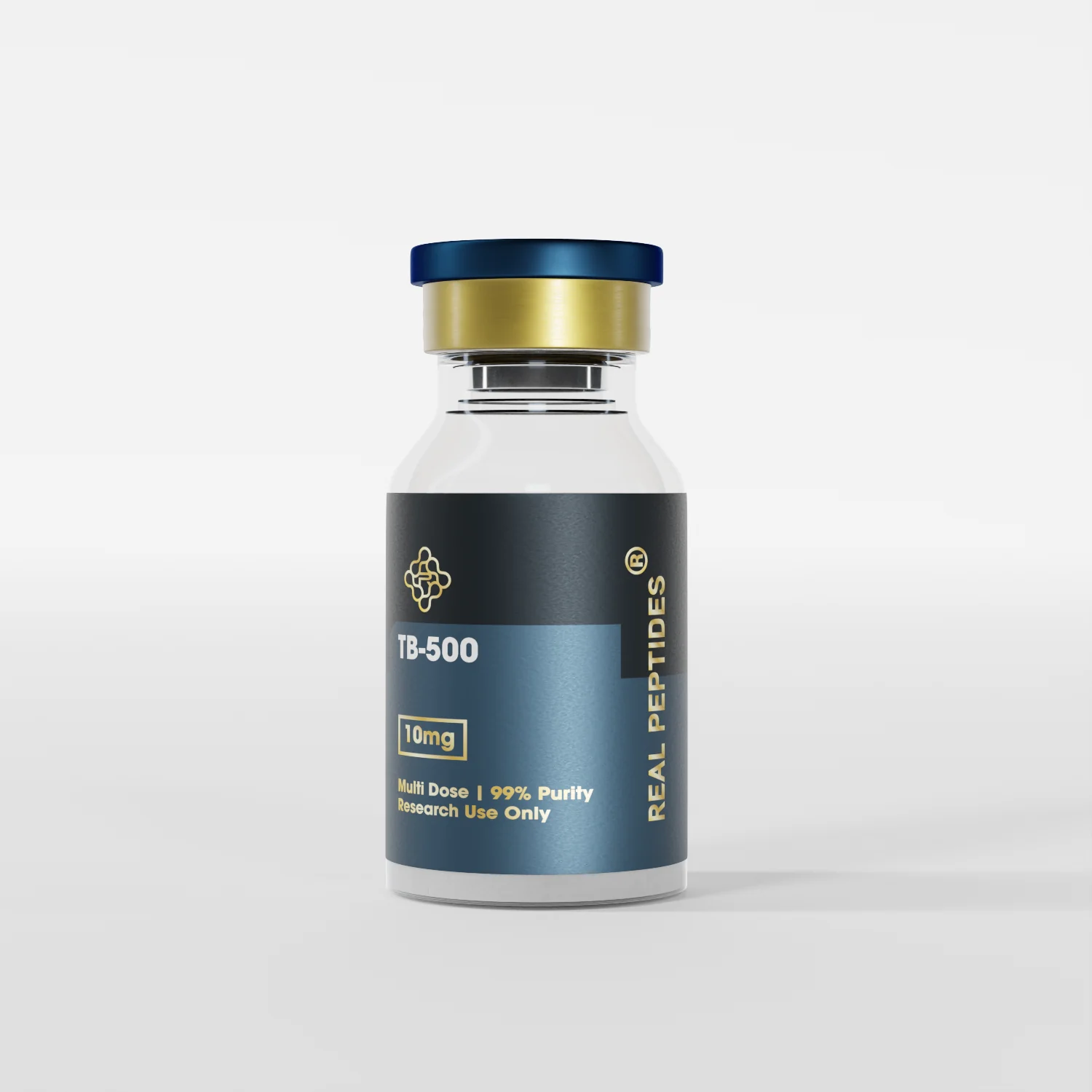
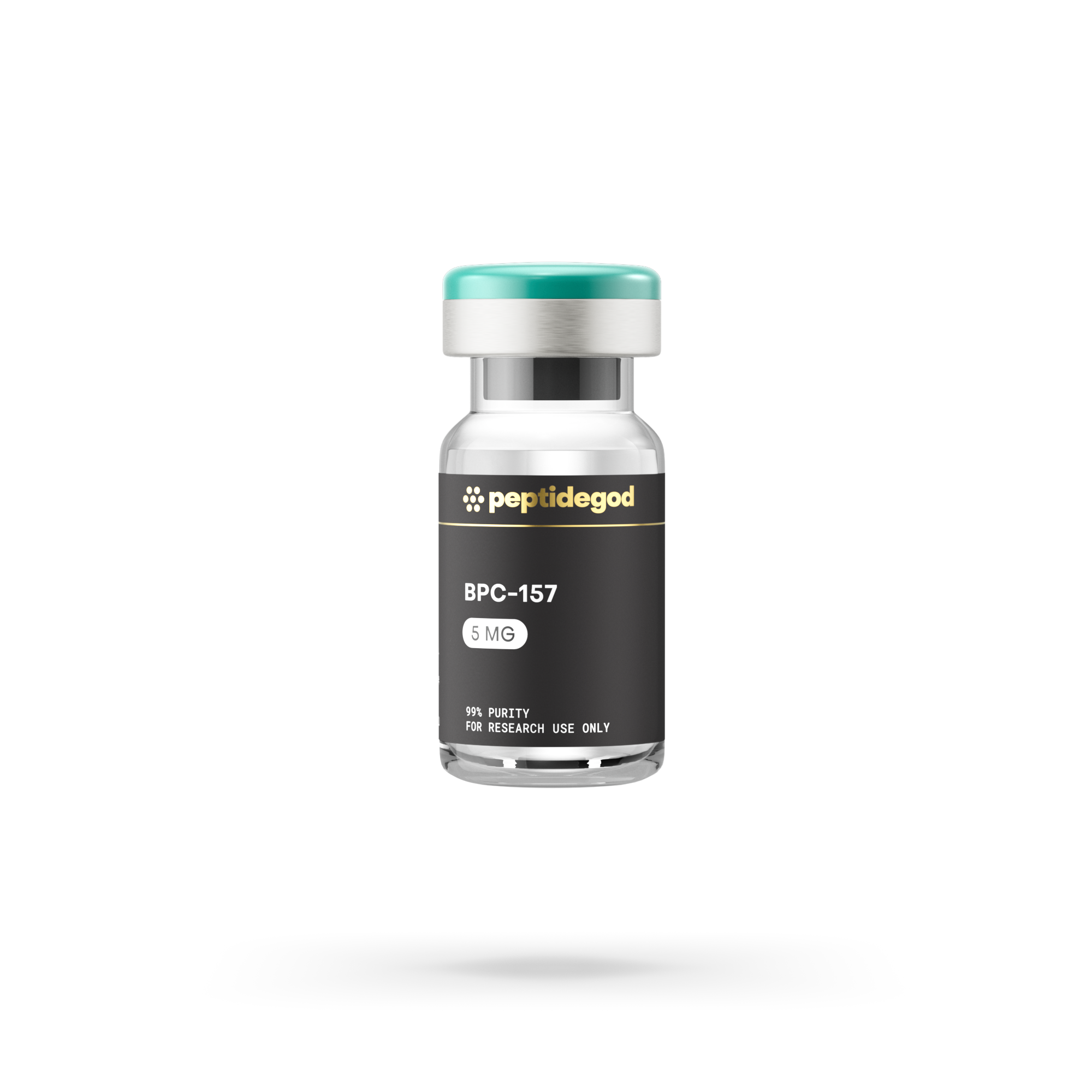
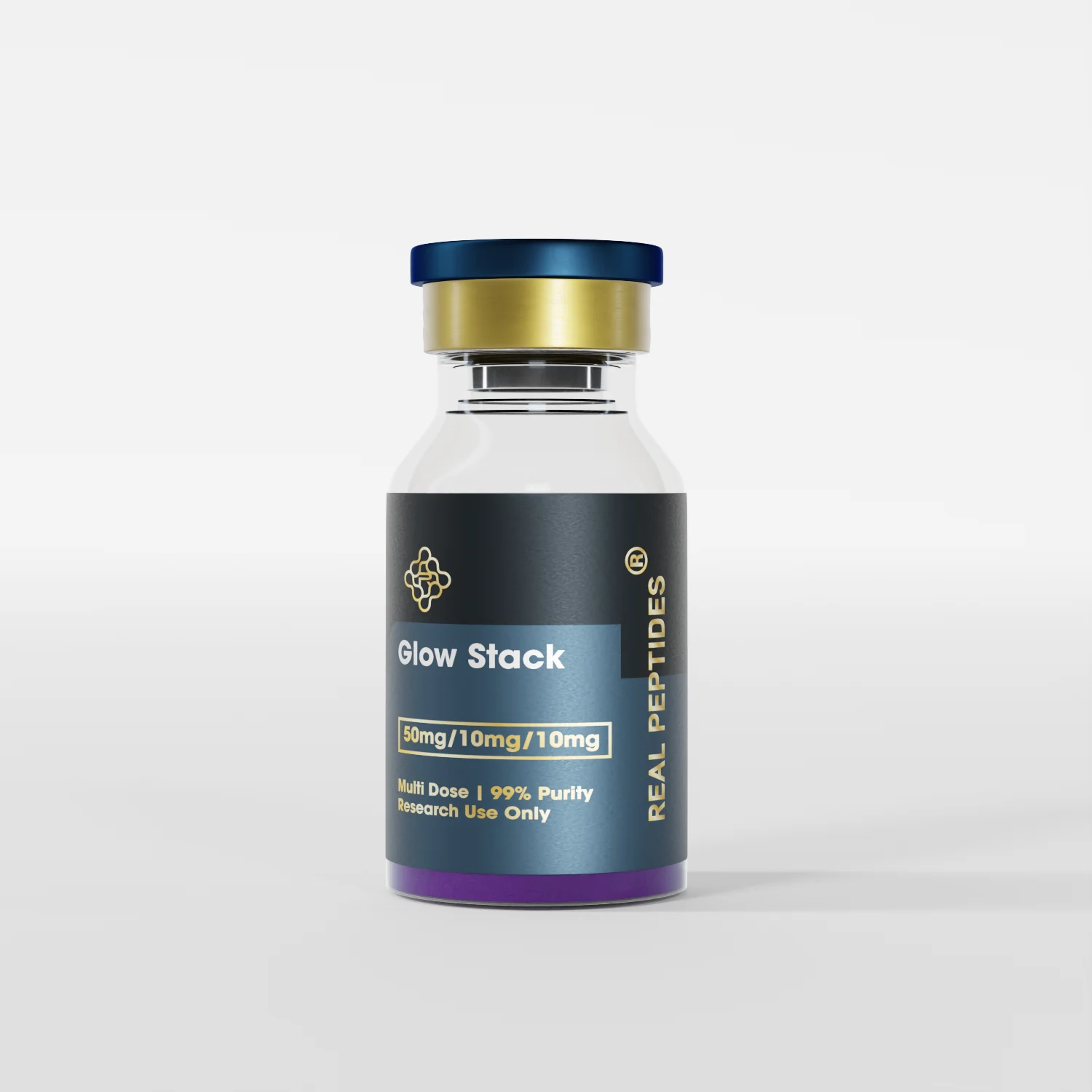
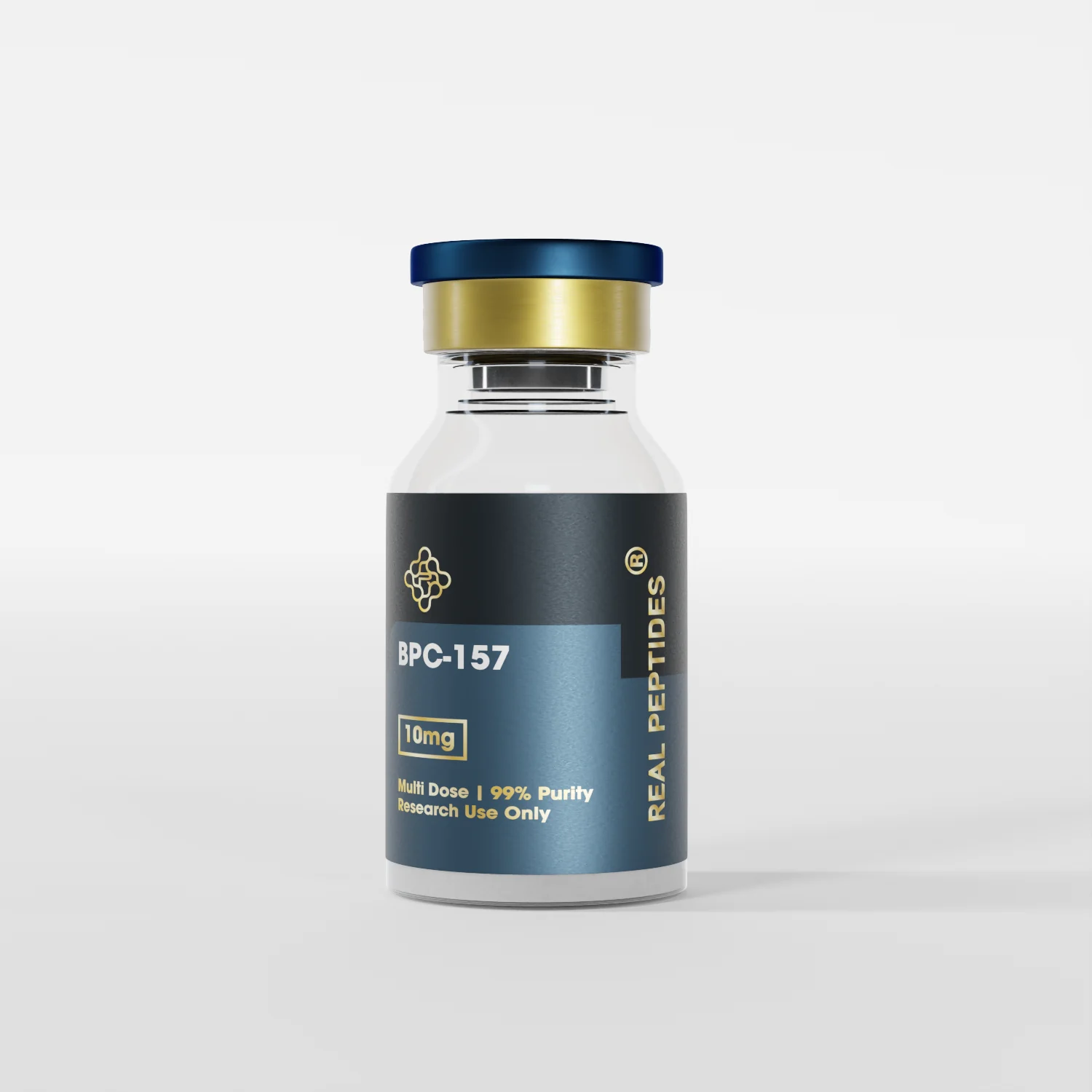
The sizes on a GLOW Stack listing, GHK-Cu 50 mg, TB-500 10 mg and BPC-157 10 mg, are product specifications. They describe how much peptide the vendor says is in each vial, which a COA should confirm.
They are not a glow peptide dosage recommendation, and the ratio between them is not a suggested ratio. A common buyer mistake is to read the bundle's packaging as an implied plan. It is simply how the vendor packs the order, and it is priced as such at $86.40.
Only a licensed clinician who knows your health history can advise you on any treatment, and for unapproved research peptides the honest answer from most will be to look at approved options instead.
On 24 August 2026, FDA sent warning letters to five online peptide vendors and named dosing guidance as part of the evidence that their products were meant for human use. That is the context for any search on glow peptide dosage. There is no approved human dose for GHK-Cu, BPC-157 or TB-500, separately or together, and the GLOW Stack is sold as a research product, not a medicine.
I follow these compounds from the research-supply side, and I get asked for numbers more than anything else. This page explains why we do not give any, where the numbers people quote actually come from, and who can properly advise you. None of the three peptides is FDA-approved, and nothing here is medical advice.
Glow peptide dosage has no official answer because a human dose is something set through controlled clinical trials and approved by a regulator, and none of the GLOW components has been through that process. FDA has not approved GHK-Cu as an injectable, BPC-157 or TB-500 as drugs for any use.
Without that process, any number is a guess. It might come from an animal paper, a vendor's marketing or a forum post, but it has not been tested for safety and effect in people. The same applies to the glow peptide stack as a combination; nobody has published a controlled trial of the three together.
Most of the published research on BPC-157 and TB-500 is in rodents, and GHK-Cu's research is mostly lab and animal work in skin, wound and collagen models. The amounts used in those studies were chosen for a specific animal, tissue and experimental question.
Those amounts do not translate to a person. Species differ in size, metabolism and how they clear a compound, and an amount that produced a measurable change in a rat says nothing reliable about safety or effect in a human. Online converters that turn animal figures into human ones give a false sense of precision. Our benefits page explains what the animal work does and does not show.
The human studies that exist are small and uncontrolled (BPC-157) or concern topical cosmetic products (GHK-Cu). Neither type can establish a safe human amount for a research vial.
The glow peptide dosage "protocols" circulating online are personal reports, not research. They usually come without verified product contents, without a control group and without any follow-up for side effects.
The problem compounds with the GLOW Stack because three peptides are involved, each with its own unknowns. A post that worked well for one person tells you nothing about what was in their vial or what else was going on. We cover how to read that kind of feedback on glow peptide reviews, and what is known about risk on glow peptide side effects.
FDA's position is that a "research use only" label does not decide whether a product is a drug; it looks at the whole website. In the August 2026 letters, disease claims, dosing guidance, reconstitution calculators and bacteriostatic water sold beside injectables were all treated as signs of intended human use.
BPC-157, TB-500 and GHK-Cu were not among the products named in those letters. But BPC-157 and TB-500 were placed in Category 2 of FDA's interim bulk-substances lists in September 2023 because of safety concerns, and the July 2026 advisory committee recommendation for them is non-binding. GHK-Cu has not been voted on. Details are on the FDA status page.