Stack
Glow peptide reviews rarely show what is in the vial. What a useful review contains, red-flag claims and the COA checks to run before trusting a vendor.
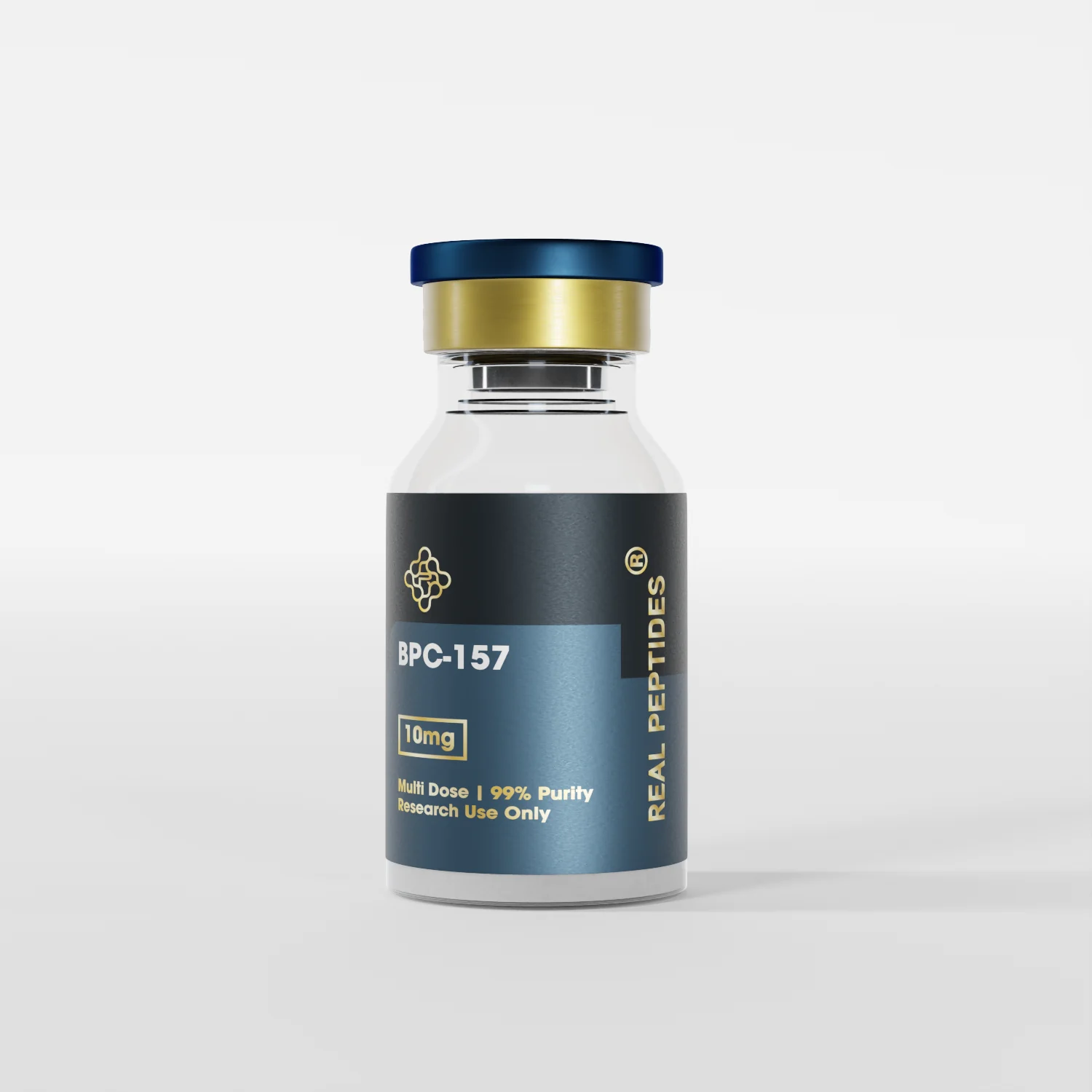
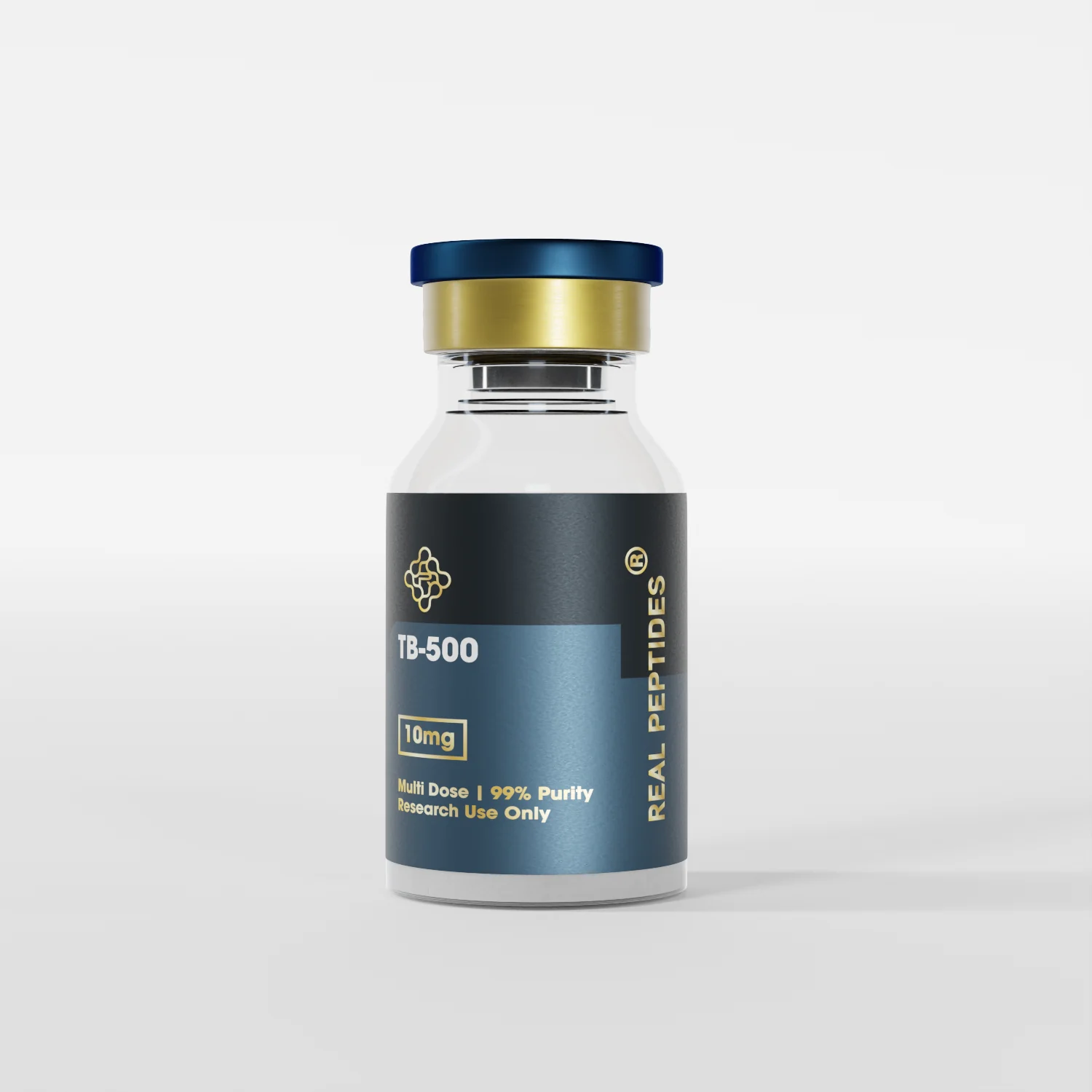
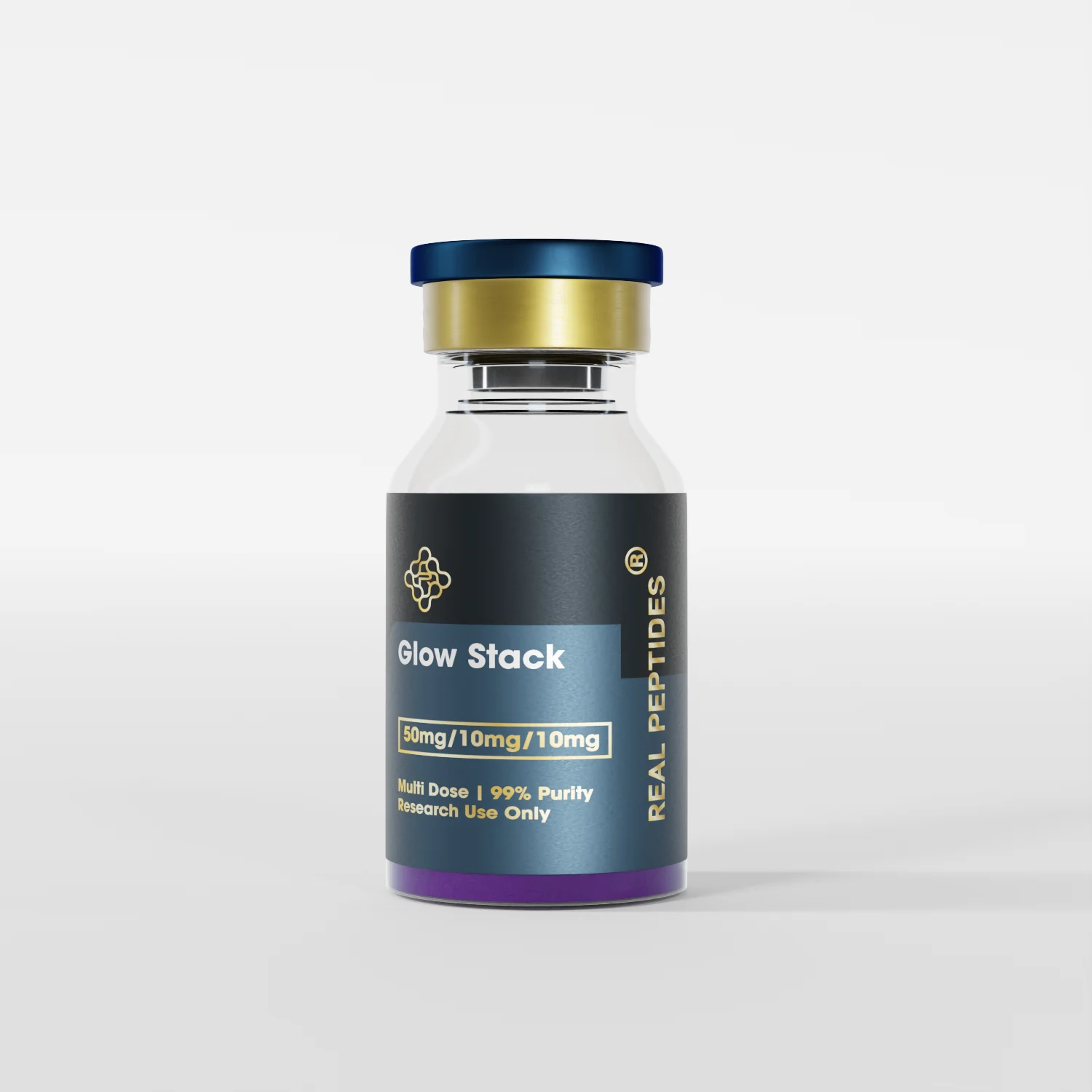
A GLOW Stack order from Real Peptides arrives as three vials, GHK-Cu 50 mg, TB-500 10 mg and BPC-157 10 mg, each with its own third-party COA, and almost no glow peptide reviews we read mention checking any of them. Most reviews describe how the buyer felt, which tells you nothing about what was in the vial. For a $86.40 bundle of three unapproved research compounds, the paperwork matters far more than the star rating.
I compare vendors on COAs, prices and terms, and I read reviews the same way I read product pages: looking for what can be checked. This page explains what a useful review contains, which claims should make you skeptical, and the checks you can run yourself. None of the GLOW components is FDA-approved, and all are sold for research use only.
A review is only as reliable as the reviewer's knowledge of the product, and with research peptides that knowledge is usually missing. White lyophilized powder looks the same whether it is pure, underfilled, contaminated or a different compound.
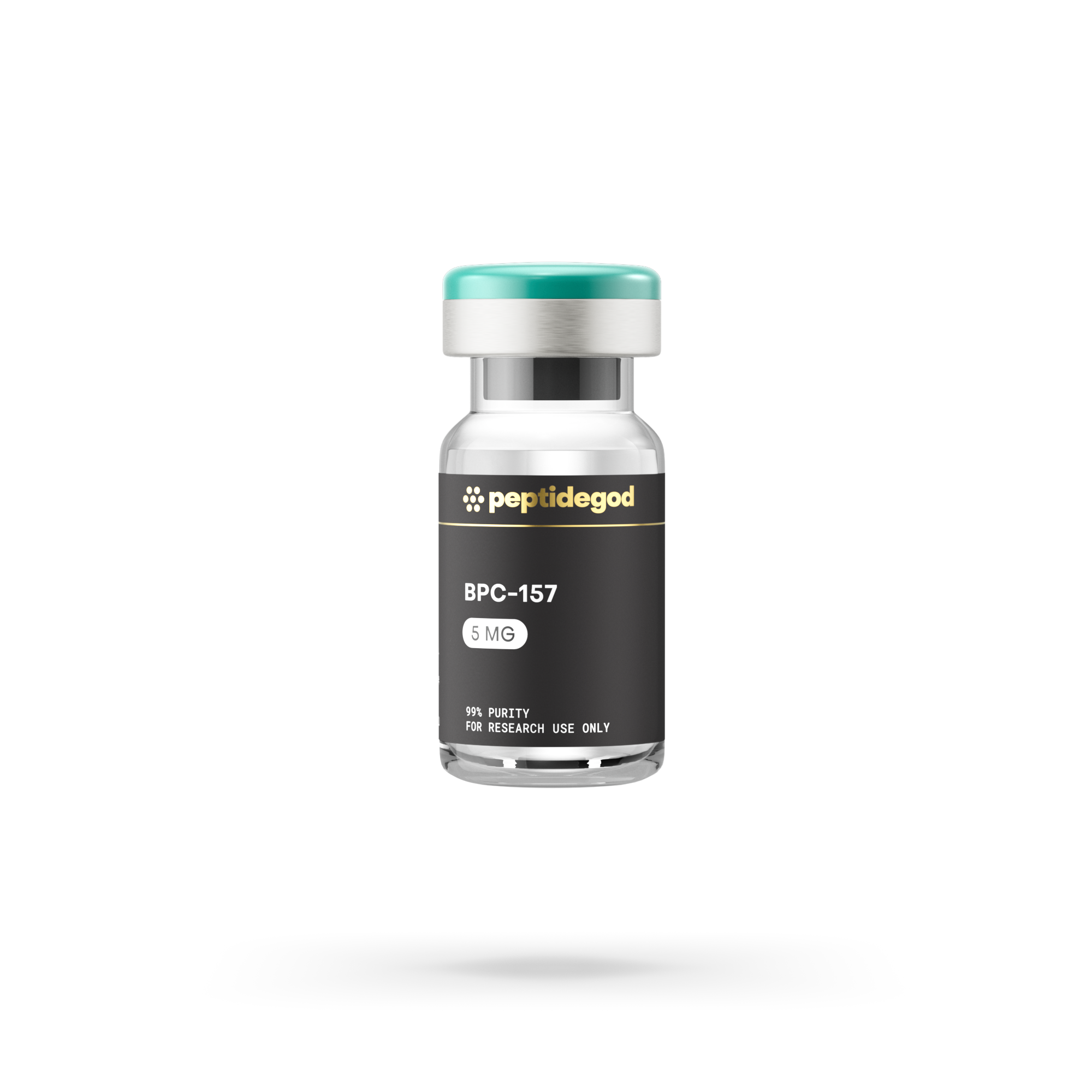
That is why we put a COA ahead of any review. A third-party certificate that names the compound, shows a lot number and matches the vial label is evidence. A five-star post saying the stack "worked" is an opinion about an unknown sample. Real Peptides publishes a COA per batch for each GLOW vial; Peptide God lists its BPC-157 and TB-500 as lab-tested at 99% purity or higher.
The reviews worth reading are about the purchase, not the body. In our experience, the useful ones cover things another buyer can verify or will run into:
Those points help you judge a seller. They are the same things we weigh on where to buy glow peptide.
Any review that reports a health outcome from the glow peptide stack is reporting an anecdote, and some kinds of claims are bigger warning signs than others.
Be wary of reviews that say the stack cured or treated a condition. No controlled human trial has tested GHK-Cu, BPC-157 and TB-500 together, and the evidence for each part is mostly animal and lab work. A cure claim goes far beyond anything published. Be equally wary of reviews that describe amounts or schedules. No approved human dose exists for any component, and FDA cited dosing guidance as evidence of human-use intent in its August 2026 warning letters. A review section full of dosing talk can be a liability for the vendor hosting it.
Reviews that mention side effects deserve attention but not trust. They cannot be verified, and our side effects page explains what is actually known.
You do not need a lab to filter vendors; you need a few minutes and the product page. These are the checks we run before trusting a seller, whatever its reviews say:
We do not publish ratings or star scores, because we cannot verify the experiences behind them. Instead we compare what vendors publish and commit to: price, vial size, per-mg cost where sizes are stated, COA practice, shipping thresholds and returns terms.
On those measures, the vendors we list differ mainly in terms. Real Peptides sells the only GLOW bundle and ships free over $250; Peptide God sells the BPC-157 and TB-500 core with free shipping over $100 and 30-day free returns. The per-mg math is on glow peptide cost, and the background on the bundle is on the home page. If you are reading glow peptide reviews because you are thinking about your own health, a conversation with your doctor will tell you more than any of them.
A GLOW Stack order from Real Peptides arrives as three vials, GHK-Cu 50 mg, TB-500 10 mg and BPC-157 10 mg, each with its own third-party COA, and almost no glow peptide reviews we read mention checking any of them. Most reviews describe how the buyer felt, which tells you nothing about what was in the vial. For a $86.40 bundle of three unapproved research compounds, the paperwork matters far more than the star rating.
I compare vendors on COAs, prices and terms, and I read reviews the same way I read product pages: looking for what can be checked. This page explains what a useful review contains, which claims should make you skeptical, and the checks you can run yourself. None of the GLOW components is FDA-approved, and all are sold for research use only.
A review is only as reliable as the reviewer's knowledge of the product, and with research peptides that knowledge is usually missing. White lyophilized powder looks the same whether it is pure, underfilled, contaminated or a different compound.
That is why we put a COA ahead of any review. A third-party certificate that names the compound, shows a lot number and matches the vial label is evidence. A five-star post saying the stack "worked" is an opinion about an unknown sample. Real Peptides publishes a COA per batch for each GLOW vial; Peptide God lists its BPC-157 and TB-500 as lab-tested at 99% purity or higher.
The reviews worth reading are about the purchase, not the body. In our experience, the useful ones cover things another buyer can verify or will run into:
Those points help you judge a seller. They are the same things we weigh on where to buy glow peptide.
Any review that reports a health outcome from the glow peptide stack is reporting an anecdote, and some kinds of claims are bigger warning signs than others.
Be wary of reviews that say the stack cured or treated a condition. No controlled human trial has tested GHK-Cu, BPC-157 and TB-500 together, and the evidence for each part is mostly animal and lab work. A cure claim goes far beyond anything published. Be equally wary of reviews that describe amounts or schedules. No approved human dose exists for any component, and FDA cited dosing guidance as evidence of human-use intent in its August 2026 warning letters. A review section full of dosing talk can be a liability for the vendor hosting it.
Reviews that mention side effects deserve attention but not trust. They cannot be verified, and our side effects page explains what is actually known.
You do not need a lab to filter vendors; you need a few minutes and the product page. These are the checks we run before trusting a seller, whatever its reviews say: