Stack
GHK Cu peptide guide: the copper tripeptide in the GLOW Stack, its lab and animal research, cosmetic vs research forms, and 2026 FDA review status.
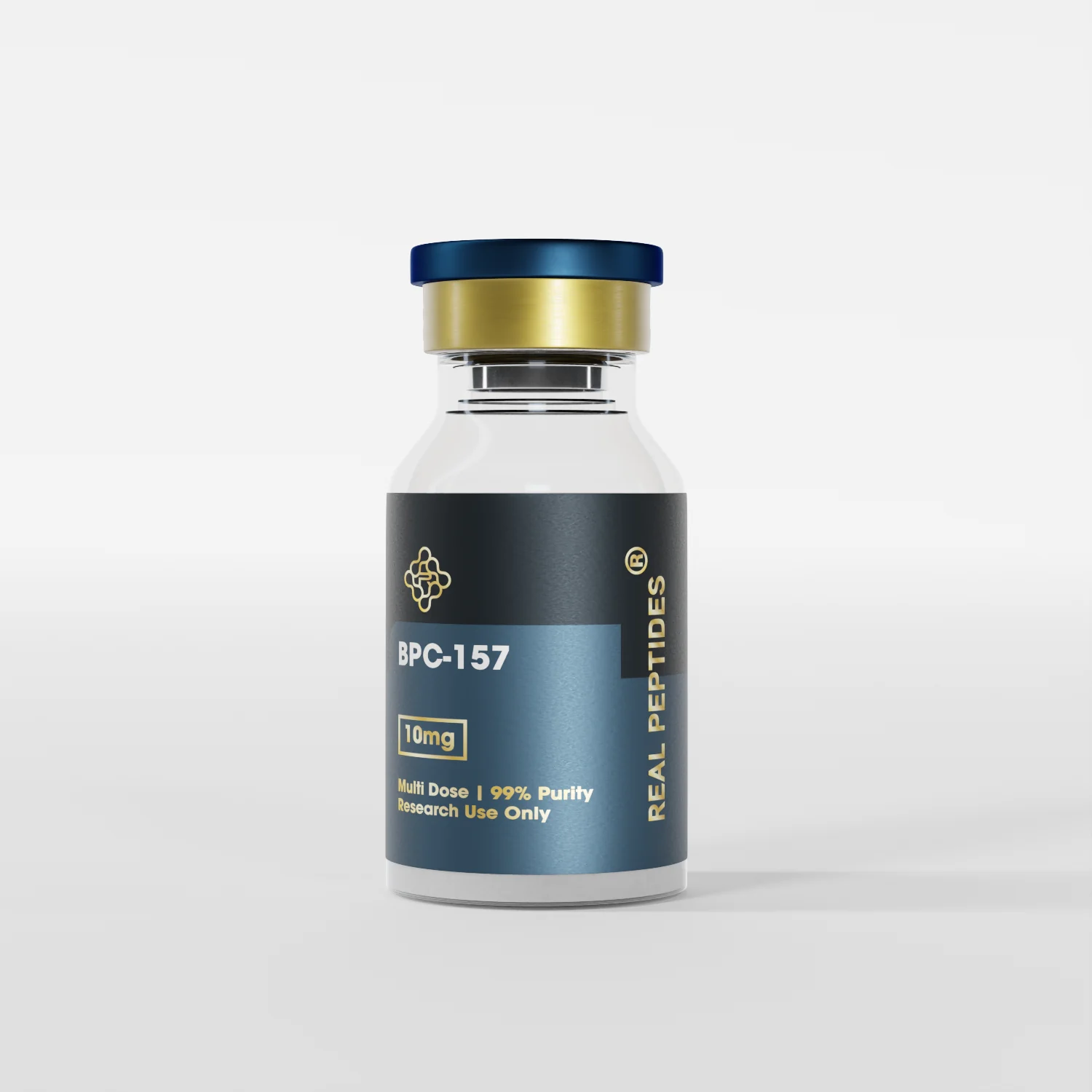
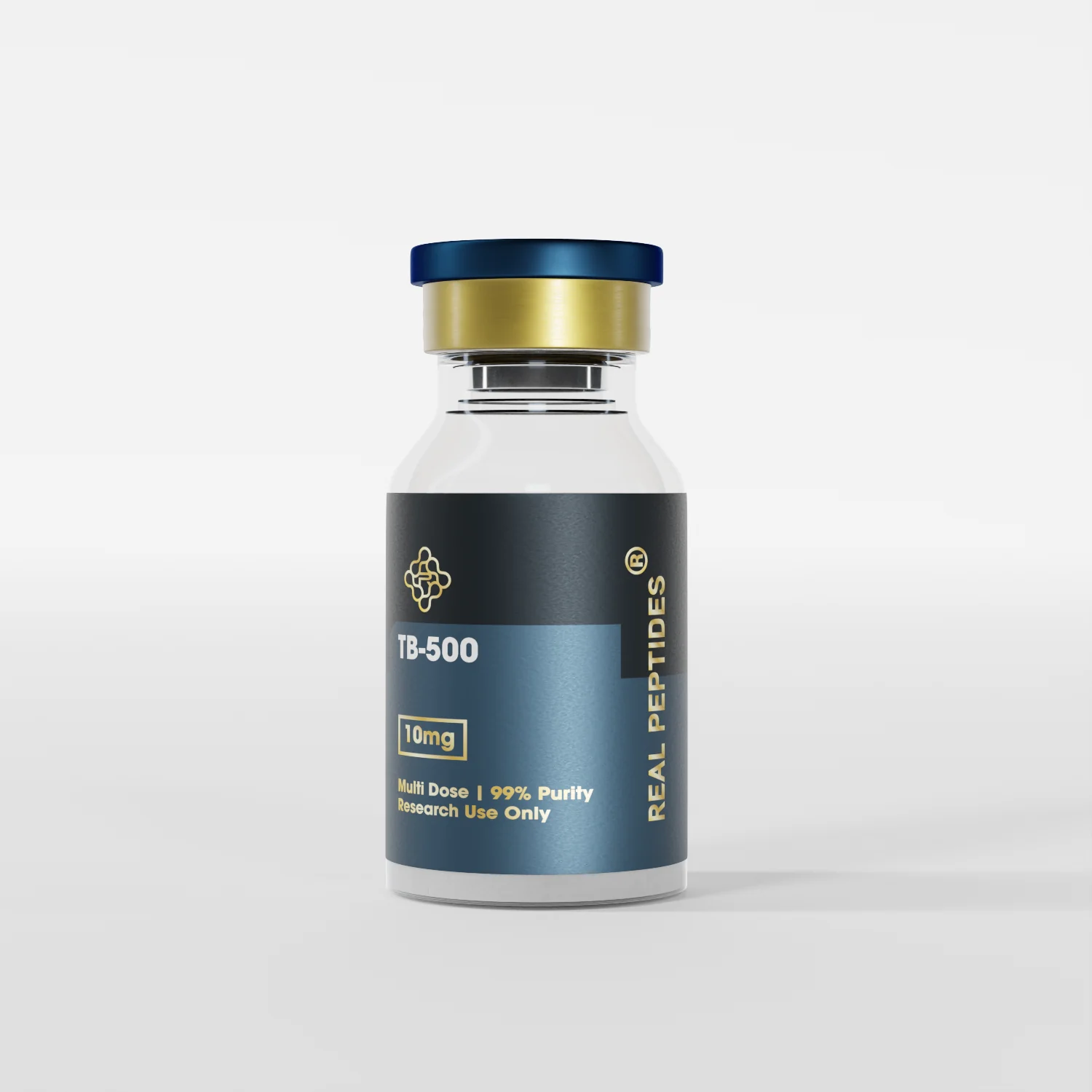
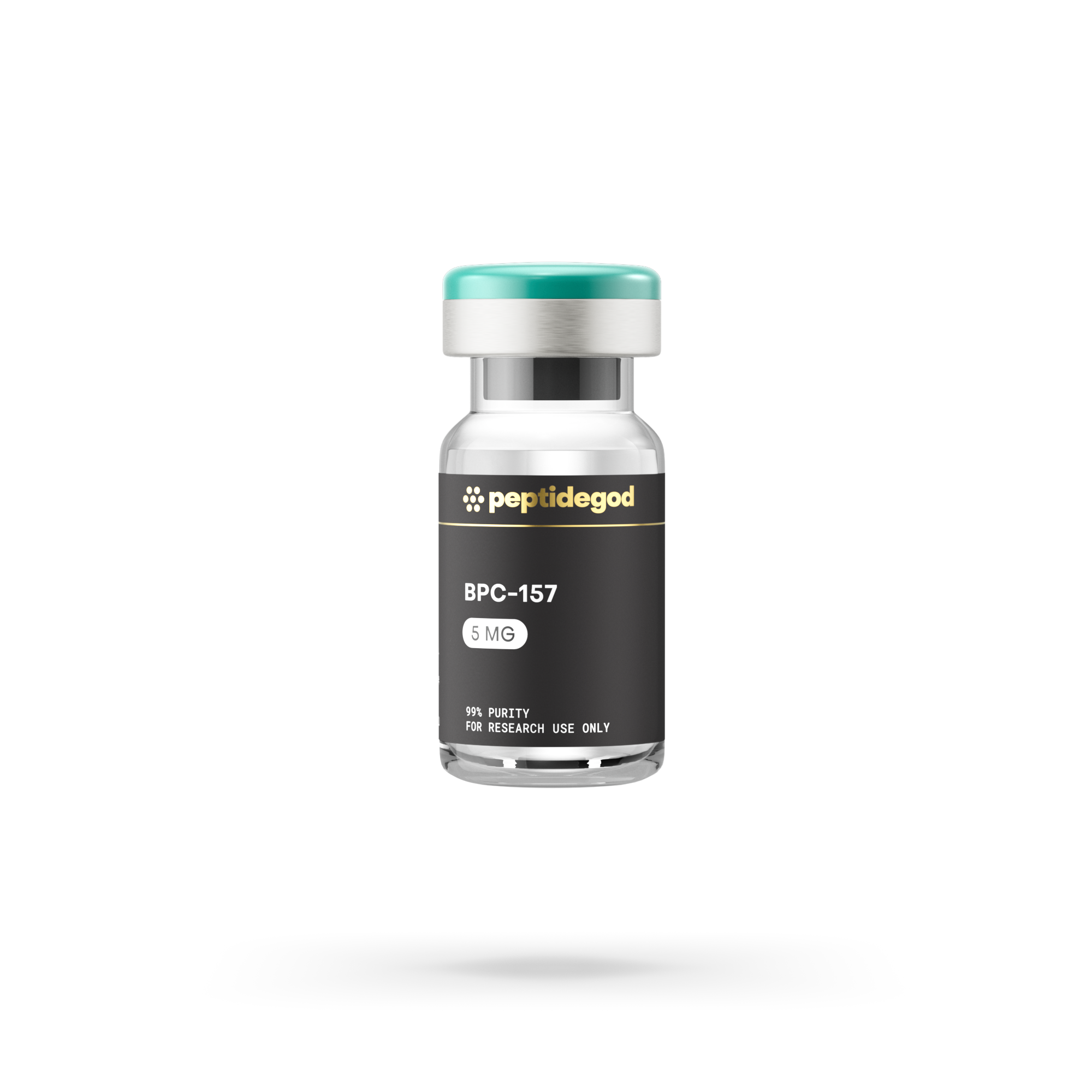
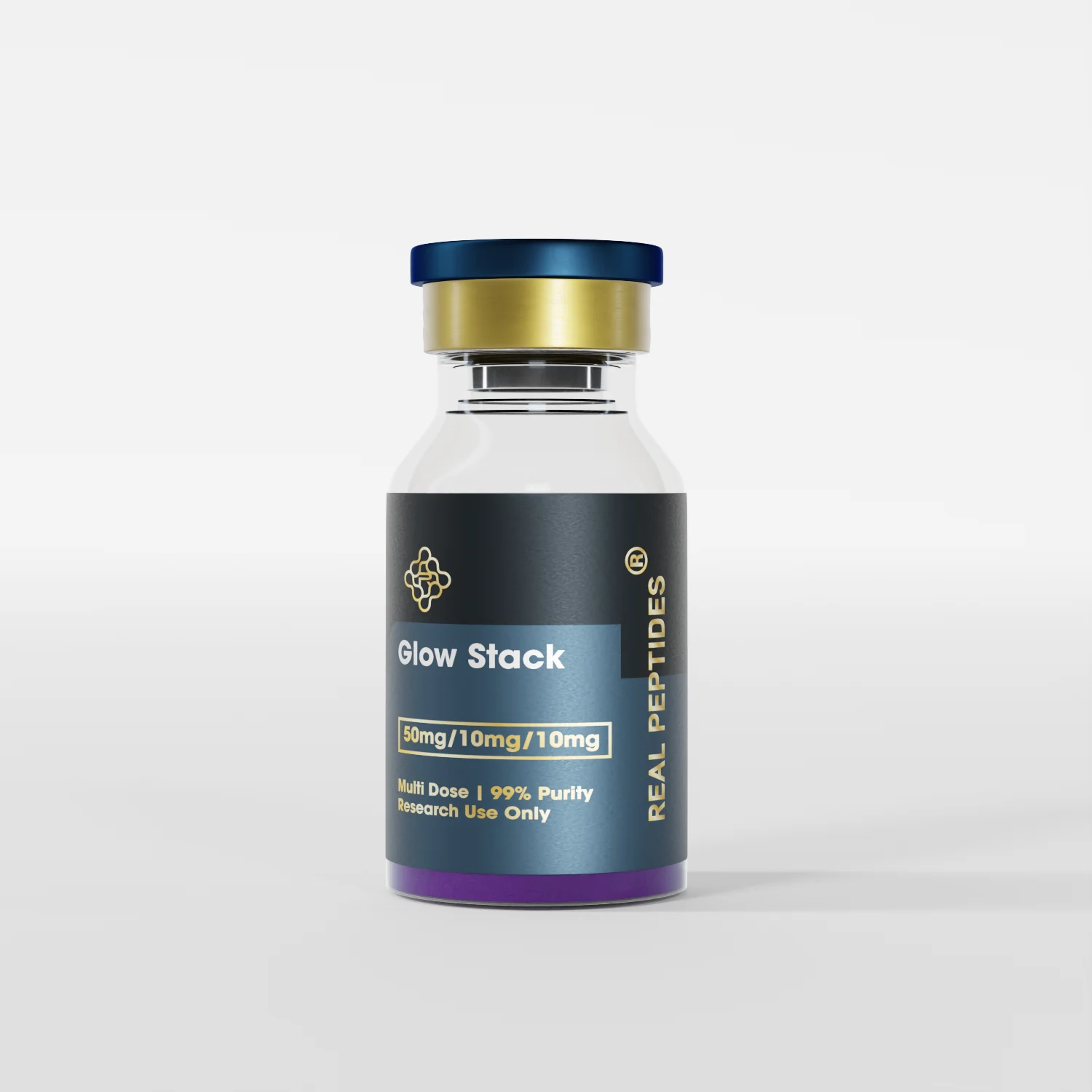
The GHK-Cu vial in the GLOW Stack holds 50 mg, five times the size of the BPC-157 and TB-500 vials beside it, and by our math it accounts for $45.60 of the $86.40 bundle price. That makes the GHK-Cu peptide the largest and most expensive part of the glow box, and also the part with the least regulatory attention so far. It was not voted on by FDA's compounding advisory committee in July 2026.
I follow these compounds from the research-supply side, so this guide sticks to what GHK-Cu is, where its research comes from, how the cosmetic and research versions differ, and what that means when you buy it. Injectable GHK-Cu is not FDA-approved, and the vials sold by research vendors are labelled for research use only.
GHK-Cu is glycyl-histidyl-lysine, a three-amino-acid peptide bound to a copper ion, and it occurs naturally in human plasma. Studies report that plasma levels fall with age, which is the observation most of the commercial interest is built on.
That natural origin is often used as a selling point, but it does not tell you anything about what a lyophilized research vial does. The body makes many molecules that would not be safe or useful in concentrated, purchased form. "Naturally occurring" is a description of origin, not evidence of benefit.
Most GHK Cu peptide research is lab and animal work in skin, wound and collagen models, plus small cosmetic studies on topical use. There is no body of controlled human trials on the research-vial form.
Each layer of that evidence answers a different question:
That is why we describe GHK-Cu findings as lab and animal results. Our benefits page sets them beside the BPC-157 and TB-500 evidence so you can see how uneven the three parts of the stack are.
Topical GHK-Cu products are regulated as cosmetics, while injectable GHK-Cu is not an approved drug. The same molecule can sit in a serum on a pharmacy shelf and in a research vial labelled not for human consumption, and the rules for each are different.
The mistake we see buyers make is reading a cosmetic study and applying it to the 50 mg lyophilized powder in the GLOW Stack. The format, the route and the regulatory category all change. We go through the split in detail on topical vs injectable GHK-Cu.
The GHK Cu peptide has not yet had its turn before FDA's Pharmacy Compounding Advisory Committee. At the 23-24 July 2026 meeting, the committee voted on six peptides, including BPC-157 and TB-500; GHK-Cu, along with Melanotan II, LL-37, dihexa and PEG-MGF, was not voted on and is scheduled for review before February 2027.
It was also not among the products named in FDA's 24 August 2026 warning letters to five online peptide vendors. That does not make it approved or permitted; it only means it was not one of the products cited in those letters. The FDA status page tracks all three GLOW components.
| Question | GHK-Cu status |
|---|---|
| FDA-approved as a drug | No |
| Topical cosmetic use | Regulated as a cosmetic |
| July 2026 PCAC vote | Not voted on |
| Scheduled review | Before February 2027 |
| Named in August 2026 warning letters | No |
Among the vendors we compare, the GHK Cu peptide is only available inside Real Peptides' GLOW Stack, not as a standalone listing. That means buying it comes with a 10 mg BPC-157 vial and a 10 mg TB-500 vial whether you want them or not.
The bundle is $86.40, with a third-party COA published per batch for each vial and free US shipping on orders over $250. Comparing it to the Wolverine Peptide Stack at $40.80 puts the GHK-Cu share at $45.60, or about $0.91 per mg. When you check the COA, make sure there is a separate document for the GHK-Cu lot, since the copper peptide is a different synthesis from the other two.
We do not publish handling, preparation or use instructions for GHK-Cu or any other vial. If you are interested in GHK-Cu for your own skin, a cosmetic product and a conversation with a dermatologist are the regulated route. For the bundle itself, see the GLOW Stack page.
The GHK-Cu vial in the GLOW Stack holds 50 mg, five times the size of the BPC-157 and TB-500 vials beside it, and by our math it accounts for $45.60 of the $86.40 bundle price. That makes the GHK-Cu peptide the largest and most expensive part of the glow box, and also the part with the least regulatory attention so far. It was not voted on by FDA's compounding advisory committee in July 2026.
I follow these compounds from the research-supply side, so this guide sticks to what GHK-Cu is, where its research comes from, how the cosmetic and research versions differ, and what that means when you buy it. Injectable GHK-Cu is not FDA-approved, and the vials sold by research vendors are labelled for research use only.
GHK-Cu is glycyl-histidyl-lysine, a three-amino-acid peptide bound to a copper ion, and it occurs naturally in human plasma. Studies report that plasma levels fall with age, which is the observation most of the commercial interest is built on.
That natural origin is often used as a selling point, but it does not tell you anything about what a lyophilized research vial does. The body makes many molecules that would not be safe or useful in concentrated, purchased form. "Naturally occurring" is a description of origin, not evidence of benefit.
Most GHK Cu peptide research is lab and animal work in skin, wound and collagen models, plus small cosmetic studies on topical use. There is no body of controlled human trials on the research-vial form.
Each layer of that evidence answers a different question:
That is why we describe GHK-Cu findings as lab and animal results. Our benefits page sets them beside the BPC-157 and TB-500 evidence so you can see how uneven the three parts of the stack are.
Topical GHK-Cu products are regulated as cosmetics, while injectable GHK-Cu is not an approved drug. The same molecule can sit in a serum on a pharmacy shelf and in a research vial labelled not for human consumption, and the rules for each are different.
The mistake we see buyers make is reading a cosmetic study and applying it to the 50 mg lyophilized powder in the GLOW Stack. The format, the route and the regulatory category all change. We go through the split in detail on topical vs injectable GHK-Cu.
The GHK Cu peptide has not yet had its turn before FDA's Pharmacy Compounding Advisory Committee. At the 23-24 July 2026 meeting, the committee voted on six peptides, including BPC-157 and TB-500; GHK-Cu, along with Melanotan II, LL-37, dihexa and PEG-MGF, was not voted on and is scheduled for review before February 2027.
It was also not among the products named in FDA's 24 August 2026 warning letters to five online peptide vendors. That does not make it approved or permitted; it only means it was not one of the products cited in those letters. The FDA status page tracks all three GLOW components.
| Question | GHK-Cu status |
|---|---|
| FDA-approved as a drug | No |
| Topical cosmetic use | Regulated as a cosmetic |
| July 2026 PCAC vote | Not voted on |
| Scheduled review | Before February 2027 |
| Named in August 2026 warning letters | No |