GLOW Stack
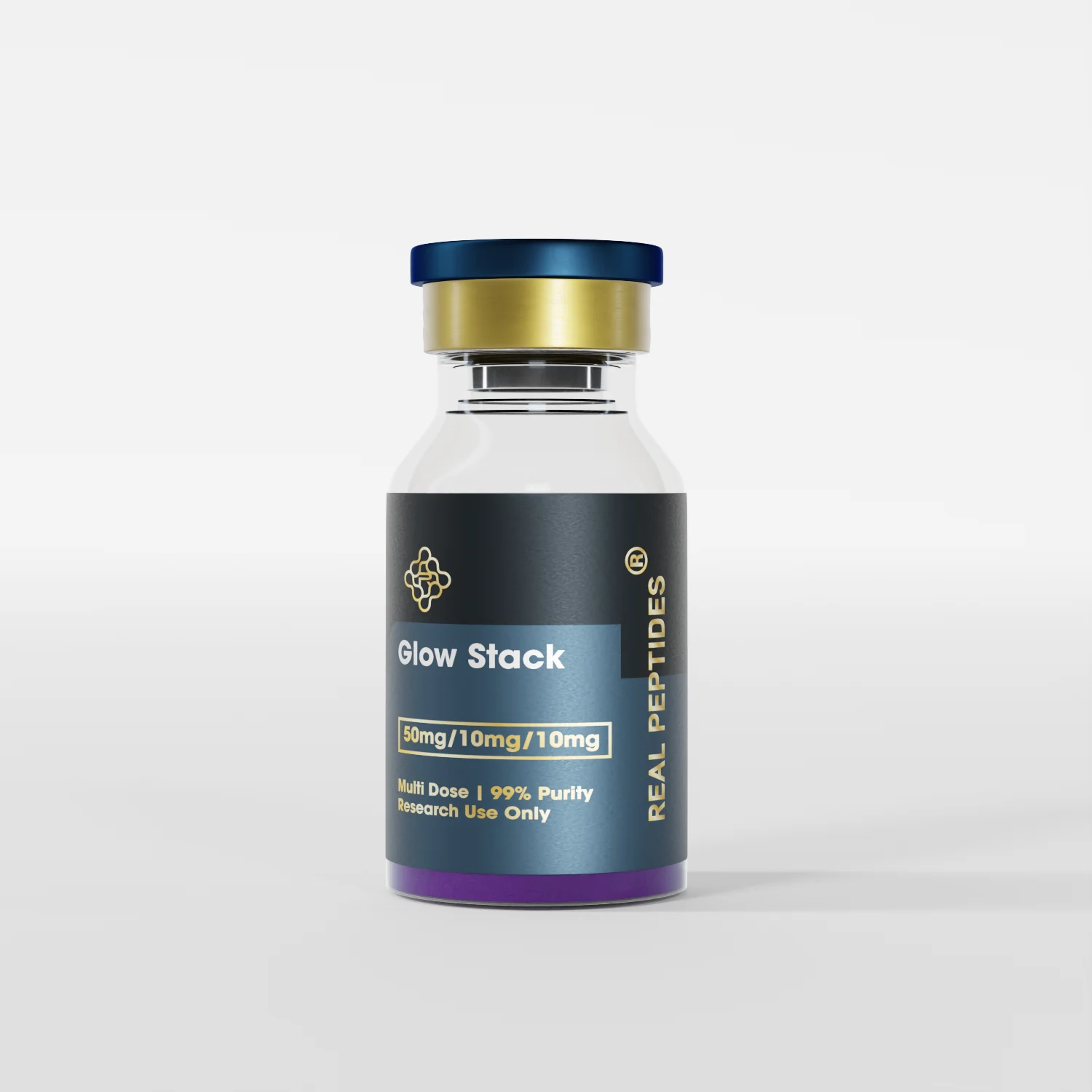
GLOW Stack peptide for research: GHK-Cu 50mg, TB-4 10mg, BPC-157 10mg. Independent lab tested with the lot ...
GHK Cu topical creams and serums vs research vials: cosmetic regulation, evidence, form and price compared for the copper peptide in the GLOW Stack.

GLOW Stack peptide for research: GHK-Cu 50mg, TB-4 10mg, BPC-157 10mg. Independent lab tested with the lot ...
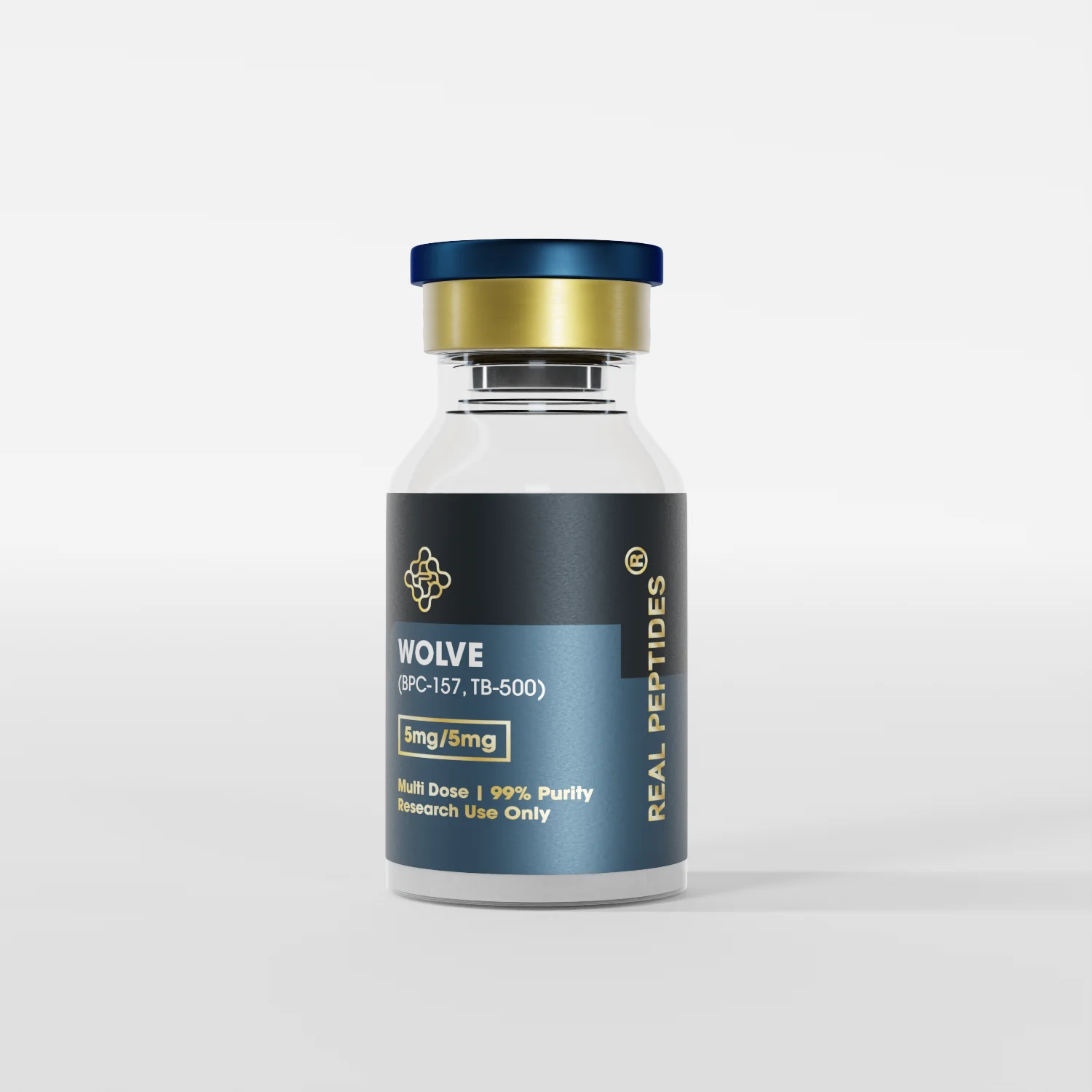
Wolverine Stack peptide for sale: BPC-157 + TB-500 in one vial, independently lab tested, lot COA published...
A 1:1 research blend of BPC-157 and TB-500 (thymosin beta-4 fragment) — the two most-studied recovery pepti...
| Product | Form | Size | Testing | Class | Price |
|---|---|---|---|---|---|
| Real Peptides GLOW Stack | Lyophilized powder | GHK-Cu 50mg + TB-500 10mg + BPC-157 10mg | Third-party COA | — | $86.40 |
| Real Peptides Wolverine Peptide Stack | Lyophilized powder | 10mg BPC-157 + 10mg TB-500 | Third-party COA | — | $40.80 |
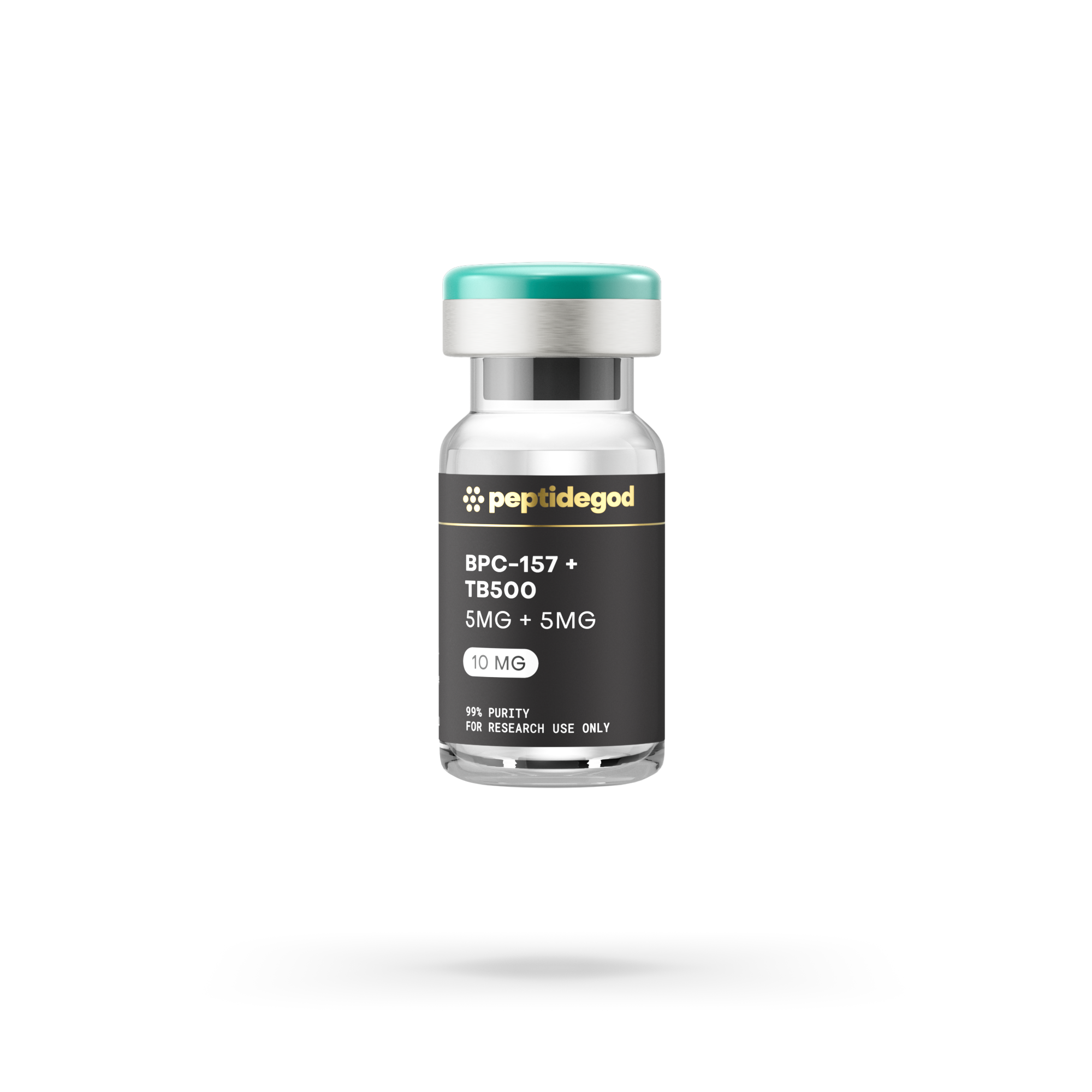
| Peptide God BPC-157 + TB-500 Blend | Lyophilized powder | — | — | Healing blend | $59.95 |
The GHK-Cu in a face serum and the 50 mg GHK-Cu vial in the $86.40 GLOW Stack are the same molecule under two different sets of rules. GHK-Cu topical products are regulated as cosmetics; injectable GHK-Cu is not an FDA-approved drug, and research vials are labelled not for human consumption. Most of the confusion we see about GHK-Cu comes from mixing those two worlds up.
We compare research-peptide vendors and track FDA actions, and this is one of the clearest cases where the format decides almost everything: the legal category, what evidence applies and what you can reasonably expect from a purchase. This page lines up creams, serums and research vials side by side.
GHK-Cu topical creams and serums fall under cosmetic regulation, while the lyophilized powder sold by research vendors is an unapproved compound sold for research use only. Neither category makes GHK-Cu an approved drug.
Cosmetics are sold for appearance, not to treat disease, and they come with label directions for normal consumer use. A research vial comes with a COA and no consumer directions at all, because it is not meant for people. FDA has said it judges the whole website, not just the label, when deciding whether a "research" product is really being sold for human use.
GHK Cu topical products and research vials differ on nearly every point a buyer cares about, from legal category to paperwork.
| Topical GHK-Cu (cream, serum) | GHK-Cu research vial | |
|---|---|---|
| Regulatory category | Cosmetic | Unapproved compound, research use only |
| FDA-approved as a drug | No (cosmetics are not drugs) | No |
| Form | Finished skin product | Lyophilized powder (50 mg in the GLOW Stack) |
| Human evidence | Small cosmetic studies | No controlled human trials |
| Where sold | Cosmetic and skincare retail | Research-peptide vendors, such as Real Peptides in the GLOW Stack |
| Comes with | Consumer label directions | Third-party COA |
| Price reference | Varies by brand | Implied $45.60 within the $86.40 GLOW Stack |
The only human research on GHK-Cu is a set of small cosmetic studies on topical use. The rest of its literature is lab and animal work in skin, wound and collagen models.
That is a modest base, and it applies to the topical format. A study of a serum on skin tells you about that serum on skin. It does not tell you anything about a research vial, because the format and route differ. When a vendor quotes cosmetic findings to sell lyophilized GHK-Cu, the evidence does not match the product. Our GHK-Cu peptide guide goes through the research layers.
The GHK-Cu vial in the GLOW Stack is a 50 mg lyophilized powder with a third-party COA, packed alongside BPC-157 10 mg and TB-500 10 mg. That is the full description of the product as sold.
It is not a skincare product, not an approved injectable and not something we give preparation or use instructions for. FDA's August 2026 warning letters treated reconstitution calculators and bacteriostatic water sold beside injectables as evidence of human-use intent, so a seller that offers them with GHK-Cu is taking a regulatory risk. GHK-Cu itself was not named in those letters.
It is also worth knowing that GHK-Cu has not yet been voted on by FDA's compounding advisory committee. It is scheduled for review before February 2027. The FDA status page tracks that.
The right choice depends entirely on what you are buying for. In our view the split is simple:
For the cost side of the research vial, including how we arrive at the implied GHK-Cu share, see glow peptide cost.
The GHK-Cu in a face serum and the 50 mg GHK-Cu vial in the $86.40 GLOW Stack are the same molecule under two different sets of rules. GHK-Cu topical products are regulated as cosmetics; injectable GHK-Cu is not an FDA-approved drug, and research vials are labelled not for human consumption. Most of the confusion we see about GHK-Cu comes from mixing those two worlds up.
We compare research-peptide vendors and track FDA actions, and this is one of the clearest cases where the format decides almost everything: the legal category, what evidence applies and what you can reasonably expect from a purchase. This page lines up creams, serums and research vials side by side.
GHK-Cu topical creams and serums fall under cosmetic regulation, while the lyophilized powder sold by research vendors is an unapproved compound sold for research use only. Neither category makes GHK-Cu an approved drug.
Cosmetics are sold for appearance, not to treat disease, and they come with label directions for normal consumer use. A research vial comes with a COA and no consumer directions at all, because it is not meant for people. FDA has said it judges the whole website, not just the label, when deciding whether a "research" product is really being sold for human use.
GHK Cu topical products and research vials differ on nearly every point a buyer cares about, from legal category to paperwork.
| Topical GHK-Cu (cream, serum) | GHK-Cu research vial | |
|---|---|---|
| Regulatory category | Cosmetic | Unapproved compound, research use only |
| FDA-approved as a drug | No (cosmetics are not drugs) | No |
| Form | Finished skin product | Lyophilized powder (50 mg in the GLOW Stack) |
| Human evidence | Small cosmetic studies | No controlled human trials |
| Where sold | Cosmetic and skincare retail | Research-peptide vendors, such as Real Peptides in the GLOW Stack |
| Comes with | Consumer label directions | Third-party COA |
| Price reference | Varies by brand | Implied $45.60 within the $86.40 GLOW Stack |
The only human research on GHK-Cu is a set of small cosmetic studies on topical use. The rest of its literature is lab and animal work in skin, wound and collagen models.
That is a modest base, and it applies to the topical format. A study of a serum on skin tells you about that serum on skin. It does not tell you anything about a research vial, because the format and route differ. When a vendor quotes cosmetic findings to sell lyophilized GHK-Cu, the evidence does not match the product. Our GHK-Cu peptide guide goes through the research layers.
The GHK-Cu vial in the GLOW Stack is a 50 mg lyophilized powder with a third-party COA, packed alongside BPC-157 10 mg and TB-500 10 mg. That is the full description of the product as sold.
It is not a skincare product, not an approved injectable and not something we give preparation or use instructions for. FDA's August 2026 warning letters treated reconstitution calculators and bacteriostatic water sold beside injectables as evidence of human-use intent, so a seller that offers them with GHK-Cu is taking a regulatory risk. GHK-Cu itself was not named in those letters.
It is also worth knowing that GHK-Cu has not yet been voted on by FDA's compounding advisory committee. It is scheduled for review before February 2027. The FDA status page tracks that.