GLOW Stack
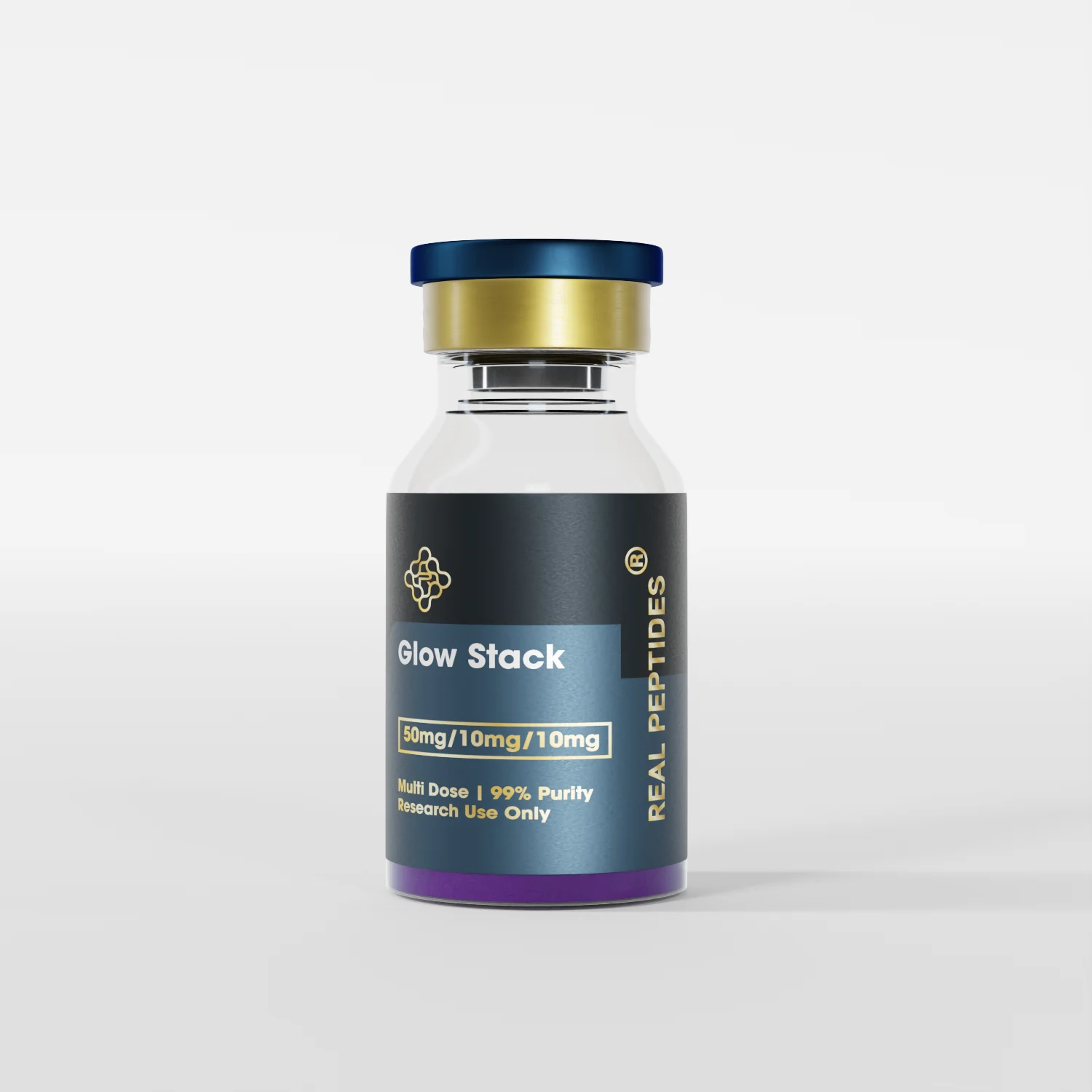
GLOW Stack peptide for research: GHK-Cu 50mg, TB-4 10mg, BPC-157 10mg. Independent lab tested with the lot ...
Glow peptide stack vs Wolverine stack: the $45.60 price gap pays for one 50 mg GHK-Cu vial. Contents, per-mg cost and FDA status compared here.

GLOW Stack peptide for research: GHK-Cu 50mg, TB-4 10mg, BPC-157 10mg. Independent lab tested with the lot ...
Wolverine Stack peptide for sale: BPC-157 + TB-500 in one vial, independently lab tested, lot COA published...
A 1:1 research blend of BPC-157 and TB-500 (thymosin beta-4 fragment) — the two most-studied recovery pepti...
| Product | Form | Size | Testing | Class | Price |
|---|---|---|---|---|---|
| Real Peptides GLOW Stack | Lyophilized powder | GHK-Cu 50mg + TB-500 10mg + BPC-157 10mg | Third-party COA | — | $86.40 |
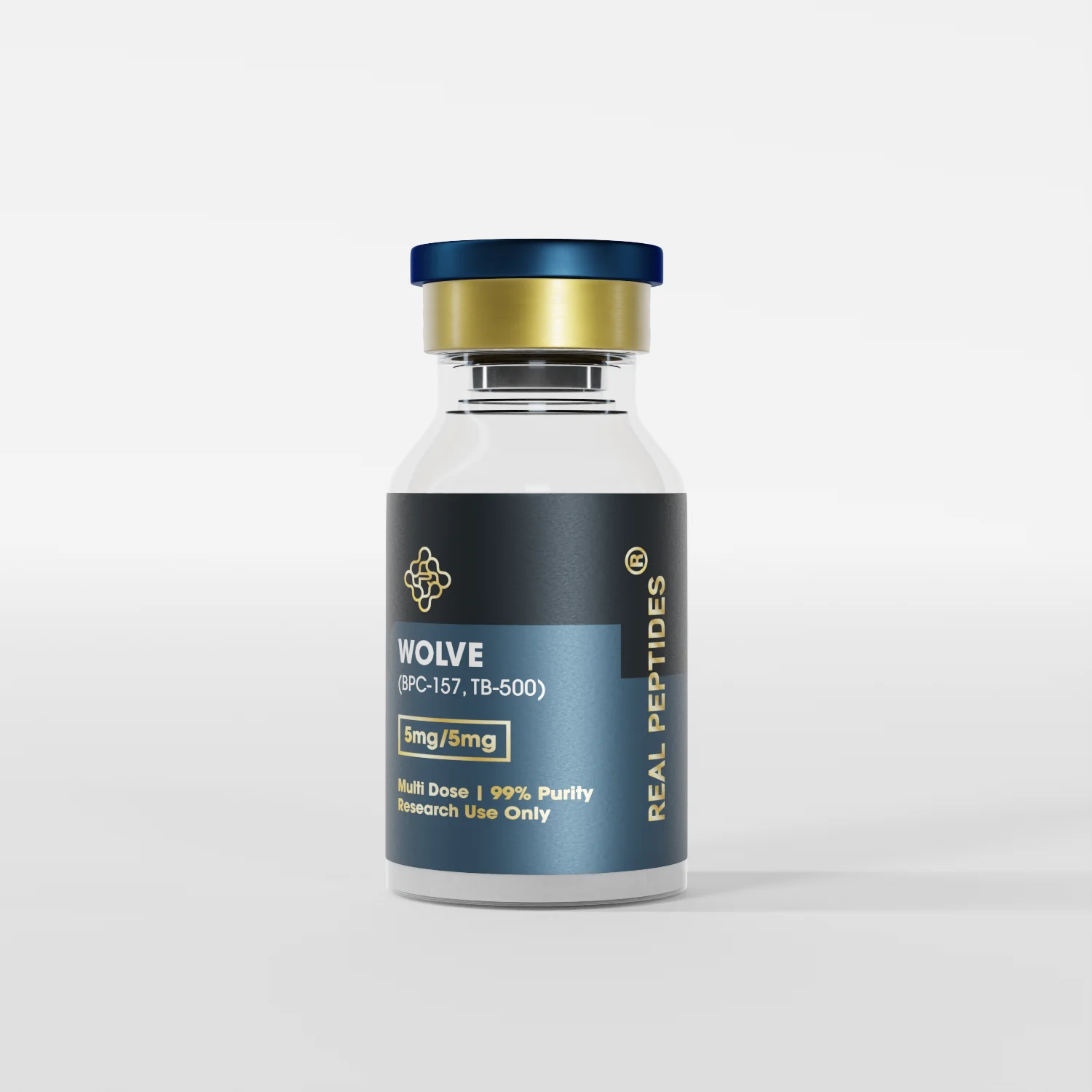
| Real Peptides Wolverine Peptide Stack | Lyophilized powder | 10mg BPC-157 + 10mg TB-500 | Third-party COA | — | $40.80 |
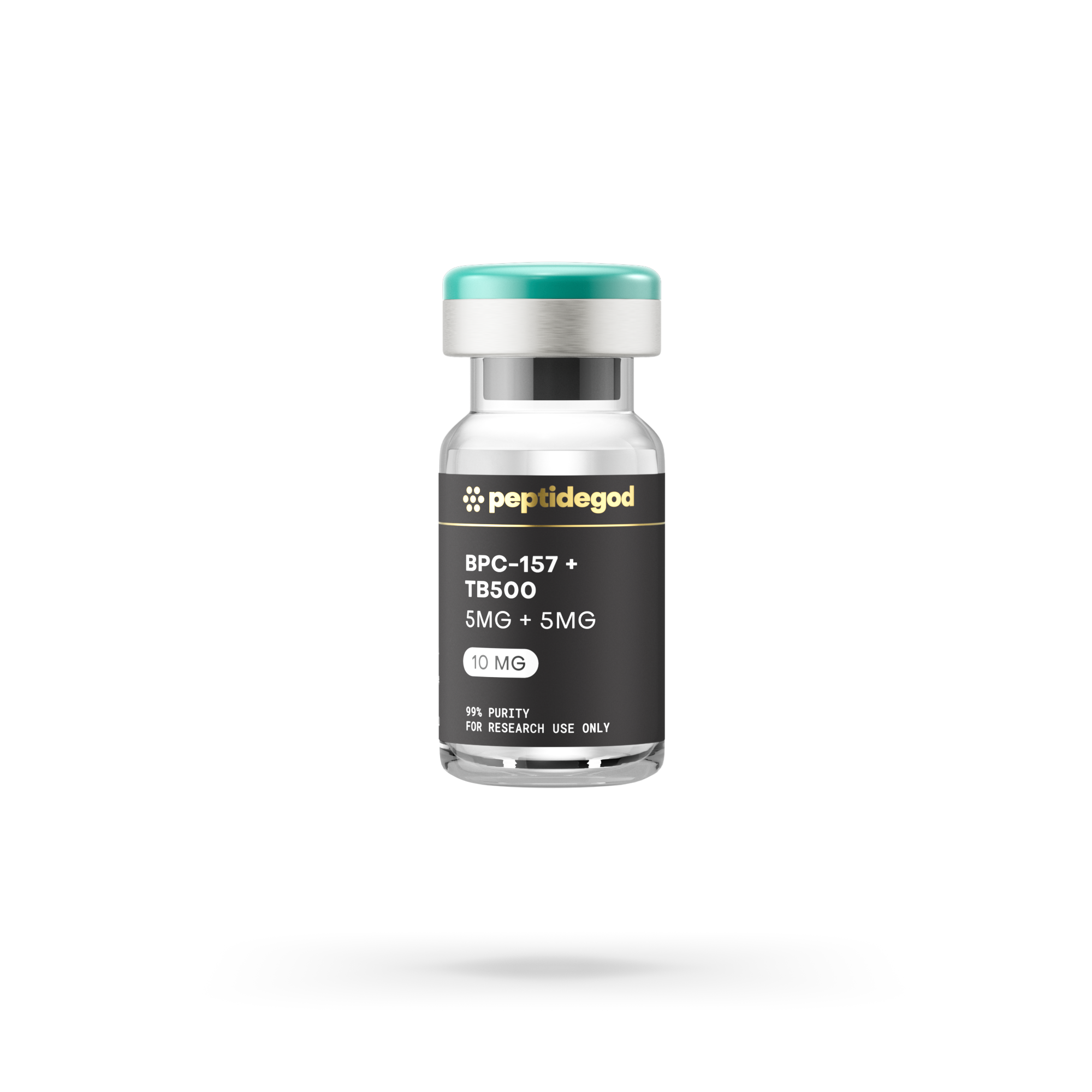
| Peptide God BPC-157 + TB-500 Blend | Lyophilized powder | — | — | Healing blend | $59.95 |
The GLOW Stack costs $86.40 and the Wolverine Peptide Stack costs $40.80 at Real Peptides, and the entire $45.60 gap pays for one thing: a 50 mg vial of GHK-Cu. The BPC-157 10 mg and TB-500 10 mg vials are the same in both bundles. So the real question behind choosing a glow peptide stack over Wolverine is whether your research needs the copper peptide at all.
We compare these bundles from the supply side, looking at contents, per-milligram price, testing and regulatory status. Both are sold for research use only. None of the peptides in either box is an FDA-approved drug, and neither stack has been tested as a combination in controlled human trials.
Wolverine is BPC-157 plus TB-500; GLOW is BPC-157 plus TB-500 plus GHK-Cu. "Wolverine stack" is the popular name for that two-peptide pair across the market, and "GLOW" is Real Peptides' marketing name for the three-peptide version.
Because the shared vials are identical in size, the glow peptide stack is not a stronger or different version of Wolverine. It is Wolverine with an extra compound that has its own research history, mostly in skin, wound and collagen models.
On a per-milligram basis the glow peptide stack is cheaper, but only because the GHK-Cu vial is large. Here are both bundles plus the Peptide God blend, which is the other BPC-157 and TB-500 option we track.
| GLOW Stack | Wolverine Peptide Stack | BPC-157 + TB-500 Blend | |
|---|---|---|---|
| Vendor | Real Peptides | Real Peptides | Peptide God |
| Price | $86.40 | $40.80 | $59.95 |
| Contents | GHK-Cu 50 mg, TB-500 10 mg, BPC-157 10 mg | BPC-157 10 mg, TB-500 10 mg | BPC-157 and TB-500 in one vial |
| Total peptide | 70 mg | 20 mg | Not stated on listing |
| Price per mg | About $1.23 | $2.04 | Cannot be calculated |
| Format | Three separate vials | Two separate vials | Single blended vial, fixed ratio |
| Testing | Third-party COA per batch | Third-party COA per batch | Lab-tested, 99% or higher |
| Free US shipping | Over $250 | Over $250 | Over $100 |
If you only count the two shared peptides, Wolverine is the better buy: you get the same 20 mg for $40.80. GLOW only wins on value if the GHK-Cu vial is something you would otherwise buy. Our cost page runs these numbers with shipping included.
GHK-Cu adds a research area that BPC-157 and TB-500 do not cover: skin, wound and collagen models. It is a copper-binding tripeptide found naturally in human plasma, and its levels fall with age.
Most GHK-Cu work is lab and animal research, with small cosmetic studies on topical products. That is a narrow base, and the cosmetic studies concern creams and serums rather than research vials. If you want the detail, our GHK-Cu peptide guide covers it, and GHK-Cu vs BPC-157 lines it up against the best known part of Wolverine.
Every compound in the Wolverine stack received a panel recommendation in July 2026; the extra compound in GLOW did not. On 23 July 2026, FDA's Pharmacy Compounding Advisory Committee voted 8-6, with one abstention, to recommend BPC-157 and TB-500 for the 503A bulks list.
GHK-Cu was not on that agenda. It is scheduled for committee review before February 2027. In practice that changes little today, since none of the three has been added to the list and the votes are non-binding. It does mean the GLOW Stack has one more open regulatory question than Wolverine. Both stacks share the sport problem: BPC-157 and TB-500 are on the WADA Prohibited List.
Choosing between the glow peptide stack and Wolverine comes down to scope. We would frame it like this:
None of these is a product for personal use, and we do not publish preparation or dosing material for any of them. For a full vendor view, including COA checks, see where to buy glow peptide.
The GLOW Stack costs $86.40 and the Wolverine Peptide Stack costs $40.80 at Real Peptides, and the entire $45.60 gap pays for one thing: a 50 mg vial of GHK-Cu. The BPC-157 10 mg and TB-500 10 mg vials are the same in both bundles. So the real question behind choosing a glow peptide stack over Wolverine is whether your research needs the copper peptide at all.
We compare these bundles from the supply side, looking at contents, per-milligram price, testing and regulatory status. Both are sold for research use only. None of the peptides in either box is an FDA-approved drug, and neither stack has been tested as a combination in controlled human trials.
Wolverine is BPC-157 plus TB-500; GLOW is BPC-157 plus TB-500 plus GHK-Cu. "Wolverine stack" is the popular name for that two-peptide pair across the market, and "GLOW" is Real Peptides' marketing name for the three-peptide version.
Because the shared vials are identical in size, the glow peptide stack is not a stronger or different version of Wolverine. It is Wolverine with an extra compound that has its own research history, mostly in skin, wound and collagen models.
On a per-milligram basis the glow peptide stack is cheaper, but only because the GHK-Cu vial is large. Here are both bundles plus the Peptide God blend, which is the other BPC-157 and TB-500 option we track.
| GLOW Stack | Wolverine Peptide Stack | BPC-157 + TB-500 Blend | |
|---|---|---|---|
| Vendor | Real Peptides | Real Peptides | Peptide God |
| Price | $86.40 | $40.80 | $59.95 |
| Contents | GHK-Cu 50 mg, TB-500 10 mg, BPC-157 10 mg | BPC-157 10 mg, TB-500 10 mg | BPC-157 and TB-500 in one vial |
| Total peptide | 70 mg | 20 mg | Not stated on listing |
| Price per mg | About $1.23 | $2.04 | Cannot be calculated |
| Format | Three separate vials | Two separate vials | Single blended vial, fixed ratio |
| Testing | Third-party COA per batch | Third-party COA per batch | Lab-tested, 99% or higher |
| Free US shipping | Over $250 | Over $250 | Over $100 |
If you only count the two shared peptides, Wolverine is the better buy: you get the same 20 mg for $40.80. GLOW only wins on value if the GHK-Cu vial is something you would otherwise buy. Our cost page runs these numbers with shipping included.
GHK-Cu adds a research area that BPC-157 and TB-500 do not cover: skin, wound and collagen models. It is a copper-binding tripeptide found naturally in human plasma, and its levels fall with age.
Most GHK-Cu work is lab and animal research, with small cosmetic studies on topical products. That is a narrow base, and the cosmetic studies concern creams and serums rather than research vials. If you want the detail, our GHK-Cu peptide guide covers it, and GHK-Cu vs BPC-157 lines it up against the best known part of Wolverine.
Every compound in the Wolverine stack received a panel recommendation in July 2026; the extra compound in GLOW did not. On 23 July 2026, FDA's Pharmacy Compounding Advisory Committee voted 8-6, with one abstention, to recommend BPC-157 and TB-500 for the 503A bulks list.
GHK-Cu was not on that agenda. It is scheduled for committee review before February 2027. In practice that changes little today, since none of the three has been added to the list and the votes are non-binding. It does mean the GLOW Stack has one more open regulatory question than Wolverine. Both stacks share the sport problem: BPC-157 and TB-500 are on the WADA Prohibited List.