Stack
BPC 157 glow guide: the role of BPC-157 in the GLOW Stack, its rodent research, limited human data, prices by vendor and FDA and WADA status.
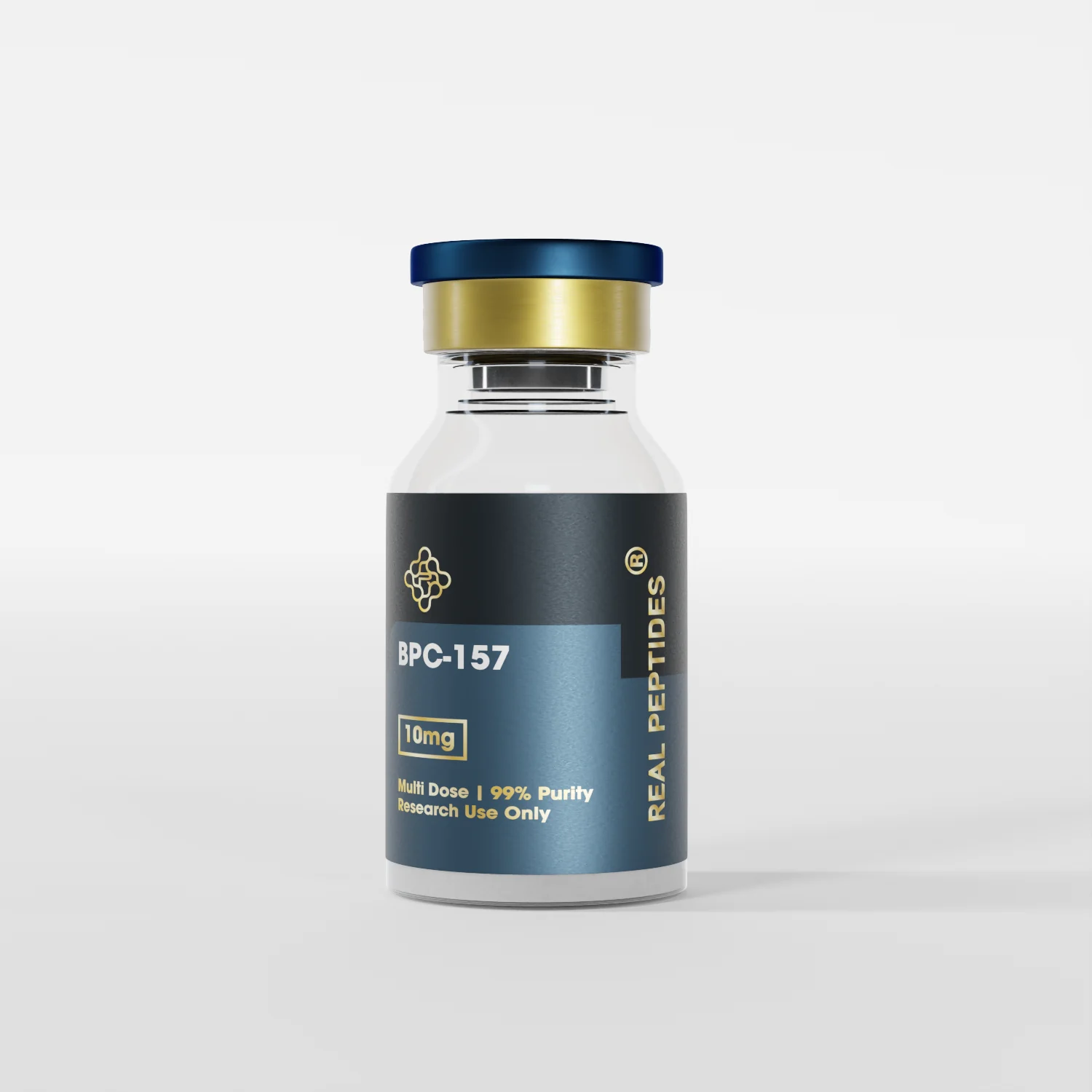
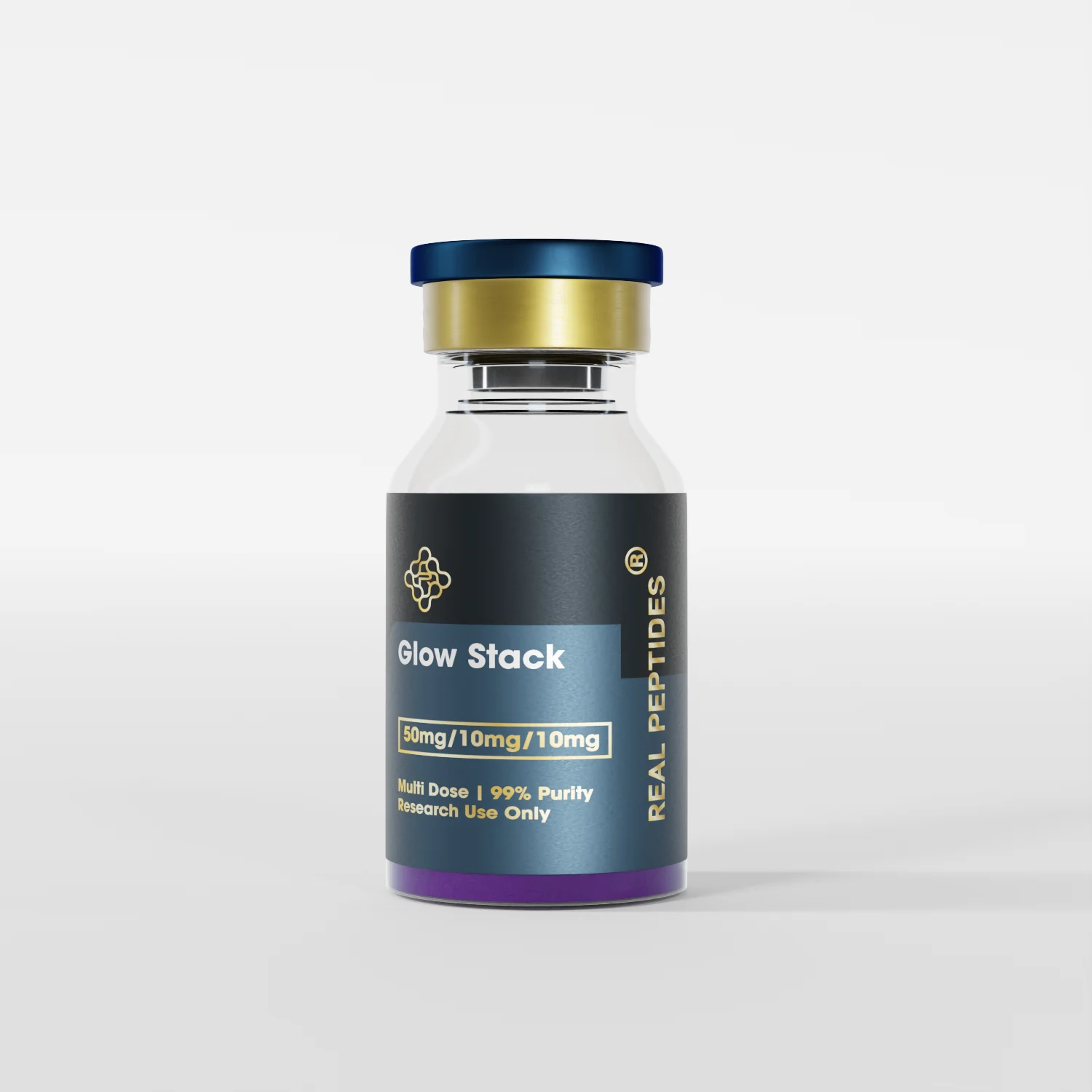
BPC-157 makes up 10 mg of the 70 mg in Real Peptides' $86.40 GLOW Stack, and bought alone from the same vendor that vial costs $43.20, or $4.32 per mg. It is the best-known part of the bundle and the one with the largest research literature, almost all of it in rodents. For anyone looking at BPC 157 glow bundles, the BPC-157 component is also the one with the most regulatory history: a Category 2 placement in 2023 and an 8-6 advisory vote in 2026.
We compare research-peptide vendors, COAs and prices and follow FDA's actions on these compounds. This page covers the role BPC-157 plays in the stack, what the research shows and does not show, where to buy it and its regulatory and sport status. It is not an FDA-approved drug and is sold for research use only.
BPC-157 is a synthetic 15-amino-acid peptide derived from a protein found in gastric juice. That origin sets it apart from the other two GLOW components: GHK-Cu comes from plasma research and TB-500 is a fragment related to thymosin beta-4.
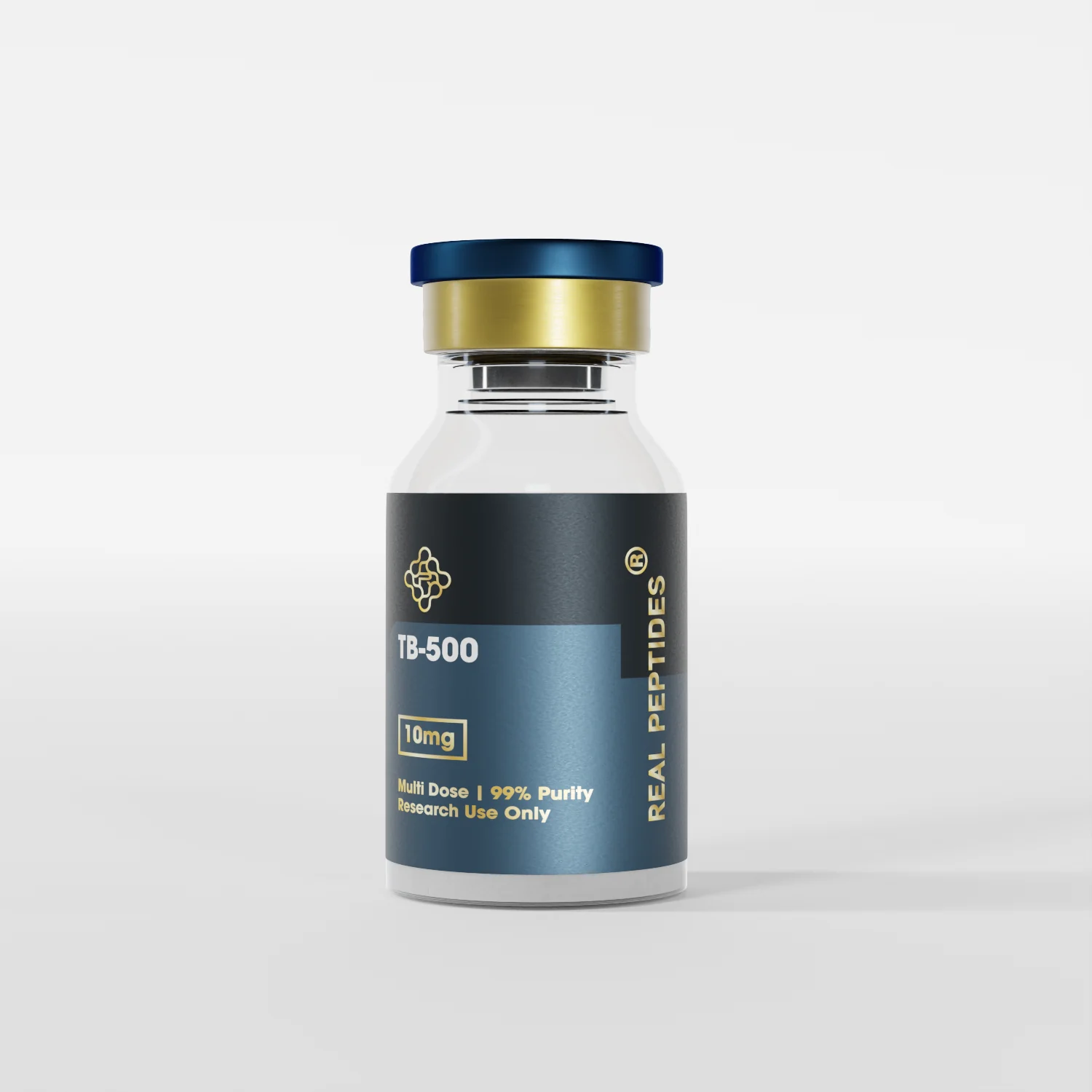
In the bundle, BPC-157 is one half of the pair that the market calls the Wolverine stack, together with TB-500. GLOW adds GHK-Cu on top. So the BPC-157 vial in a GLOW order is the same 10 mg spec as the one in Real Peptides' Wolverine Peptide Stack. We compare those bundles on GLOW vs Wolverine.
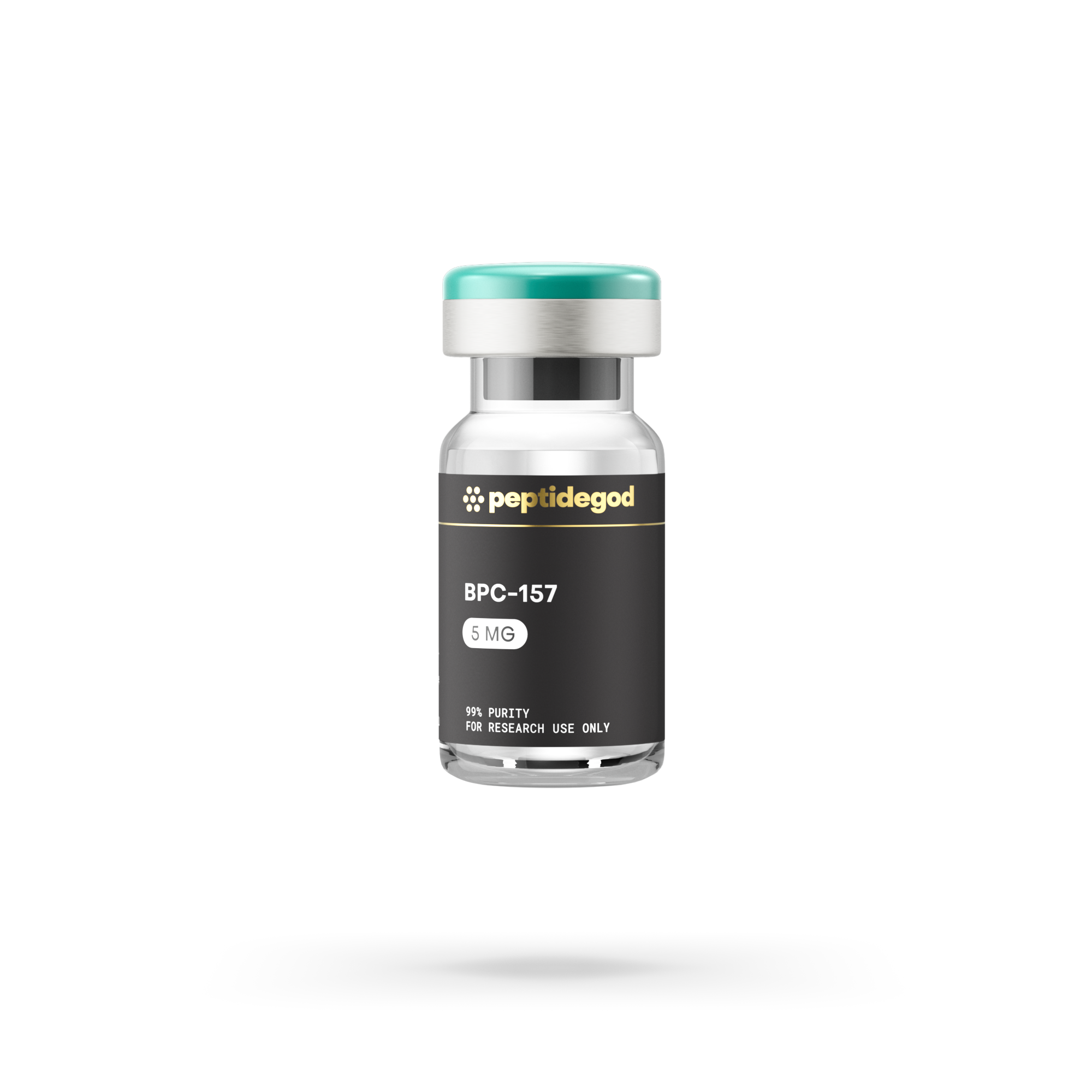
Most BPC-157 data comes from rodent studies of tendon, muscle and gut tissue. Those models are why vendors describe it as a soft-tissue and gut research peptide, and Peptide God's own listing calls it the most-cited healing peptide in animal research.
Animal findings are a starting point, not a conclusion. A change in a rat tendon tells you a question is worth asking in people; it does not tell you the answer. The amounts used in rodent work also do not translate to humans, which is one reason no approved human dose exists. We explain that on glow peptide dosage.
Human evidence on BPC-157 is limited to small uncontrolled studies. Without a control group, those studies cannot separate an effect of the peptide from natural healing, other treatments or expectation.
That is the gap behind FDA's caution. In September 2023 it placed BPC-157 in Category 2 of its interim bulk-substances lists over safety concerns, and the July 2026 advisory vote in its favour was close. The mistake we see buyers make most often is reading "studied in humans" on a product page as "proven in humans." Those are very different claims, and in BPC 157 glow marketing the first is often used to imply the second.
For BPC 157 glow buyers, there are four formats from the vendors we track, and the cheapest route depends on whether you need TB-500 and GHK-Cu too.
| Product | Vendor | Price | What you get |
|---|---|---|---|
| BPC-157 | Peptide God | $34.95 | Single vial, lab-tested 99%+, size not stated |
| BPC-157 10mg | Real Peptides | $43.20 | 10 mg, batch-specific COA before purchase, US stock ships within 24 hours |
| Wolverine Peptide Stack | Real Peptides | $40.80 | BPC-157 10 mg + TB-500 10 mg |
| GLOW Stack | Real Peptides | $86.40 | BPC-157 10 mg + TB-500 10 mg + GHK-Cu 50 mg |
Peptide God adds free shipping over $100 and 30-day free returns; Real Peptides ships free over $250 and does not state a returns policy for these products. If BPC-157 alone is what your research needs, a single vial is the logical buy. If it needs all three, the GLOW Stack is the only bundle in our comparison that includes GHK-Cu.
BPC-157 is not FDA-approved, and its route toward compounding use is still open. On 23 July 2026, FDA's Pharmacy Compounding Advisory Committee voted 8-6, with one abstention, to recommend adding BPC-157 to the 503A bulks list. That recommendation is non-binding; FDA must decide and then complete proposed and final rulemaking, and as of the July meeting BPC-157 had not been added.
BPC-157 was not among the products named in FDA's 24 August 2026 warning letters to online peptide vendors. It is, however, on the WADA Prohibited List, so tested athletes should avoid it and every bundle that contains it. The FDA status page tracks all three GLOW components, and if you are weighing anything for your own health, talk to your doctor.
BPC-157 makes up 10 mg of the 70 mg in Real Peptides' $86.40 GLOW Stack, and bought alone from the same vendor that vial costs $43.20, or $4.32 per mg. It is the best-known part of the bundle and the one with the largest research literature, almost all of it in rodents. For anyone looking at BPC 157 glow bundles, the BPC-157 component is also the one with the most regulatory history: a Category 2 placement in 2023 and an 8-6 advisory vote in 2026.
We compare research-peptide vendors, COAs and prices and follow FDA's actions on these compounds. This page covers the role BPC-157 plays in the stack, what the research shows and does not show, where to buy it and its regulatory and sport status. It is not an FDA-approved drug and is sold for research use only.
BPC-157 is a synthetic 15-amino-acid peptide derived from a protein found in gastric juice. That origin sets it apart from the other two GLOW components: GHK-Cu comes from plasma research and TB-500 is a fragment related to thymosin beta-4.
In the bundle, BPC-157 is one half of the pair that the market calls the Wolverine stack, together with TB-500. GLOW adds GHK-Cu on top. So the BPC-157 vial in a GLOW order is the same 10 mg spec as the one in Real Peptides' Wolverine Peptide Stack. We compare those bundles on GLOW vs Wolverine.
Most BPC-157 data comes from rodent studies of tendon, muscle and gut tissue. Those models are why vendors describe it as a soft-tissue and gut research peptide, and Peptide God's own listing calls it the most-cited healing peptide in animal research.
Animal findings are a starting point, not a conclusion. A change in a rat tendon tells you a question is worth asking in people; it does not tell you the answer. The amounts used in rodent work also do not translate to humans, which is one reason no approved human dose exists. We explain that on glow peptide dosage.
Human evidence on BPC-157 is limited to small uncontrolled studies. Without a control group, those studies cannot separate an effect of the peptide from natural healing, other treatments or expectation.
That is the gap behind FDA's caution. In September 2023 it placed BPC-157 in Category 2 of its interim bulk-substances lists over safety concerns, and the July 2026 advisory vote in its favour was close. The mistake we see buyers make most often is reading "studied in humans" on a product page as "proven in humans." Those are very different claims, and in BPC 157 glow marketing the first is often used to imply the second.
For BPC 157 glow buyers, there are four formats from the vendors we track, and the cheapest route depends on whether you need TB-500 and GHK-Cu too.
| Product | Vendor | Price | What you get |
|---|---|---|---|
| BPC-157 | Peptide God | $34.95 | Single vial, lab-tested 99%+, size not stated |
| BPC-157 10mg | Real Peptides | $43.20 | 10 mg, batch-specific COA before purchase, US stock ships within 24 hours |
| Wolverine Peptide Stack | Real Peptides | $40.80 | BPC-157 10 mg + TB-500 10 mg |
| GLOW Stack | Real Peptides | $86.40 | BPC-157 10 mg + TB-500 10 mg + GHK-Cu 50 mg |
Peptide God adds free shipping over $100 and 30-day free returns; Real Peptides ships free over $250 and does not state a returns policy for these products. If BPC-157 alone is what your research needs, a single vial is the logical buy. If it needs all three, the GLOW Stack is the only bundle in our comparison that includes GHK-Cu.